Aligning with the Luni-Solar Calendar and Beyond
While the world is out to achieve more, buy more, sell more, travel more, grab more, destroy more …. More, more and yet some more, sometimes it may be a good idea to just be. To just stop, wait and proceed slowly. Perhaps we need to ask ourselves why we are going, where we are going.
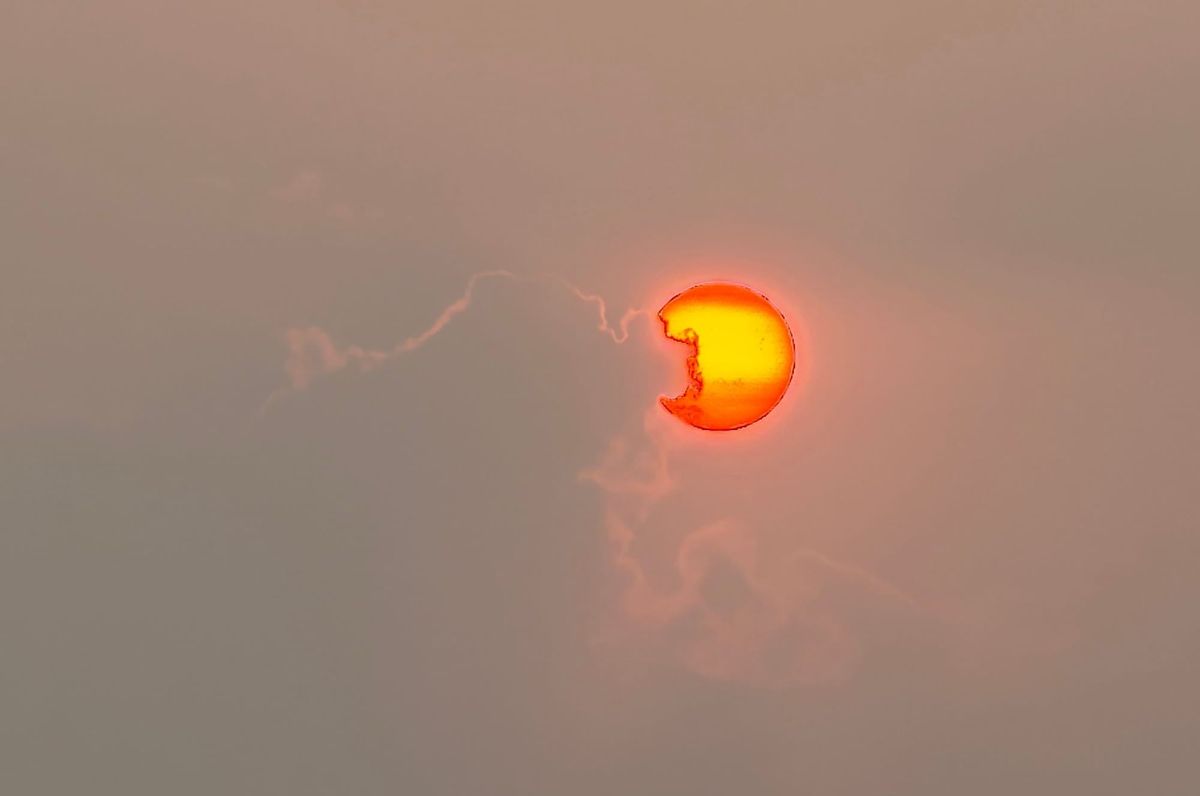
Everything in our culture has a reason and a season for it. The Solar calendar is used for determining the Sun’s position and all things related. Did you ever wonder how Makar Sankranti always falls on January 14th and Baisakhi on April 13th? At most, they vary by a day. This is because these festival dates are calculated as per the Solar calendar. Baisakhi or Vaisakhi marks the Indian Solar New Year. In most states of India, it is celebrated as the harvest festival. This is the time when the winter crops have been cut, and the farmers offer thanksgiving to God. They celebrate with their community by singing, dancing and sharing traditional foods. The festival is celebrated in other states by different names like Bohag Bihu in Assam), Vishu in Kerala, Puthandu in Tamil Nadu, Maha Vishuba Sankranti in Odisha and Poila Boishakh in Bengal.
The dates for other festivals like Deepawali, Janmashtami, etc., always vary because they are calculated as per the Lunar calendar.
The Solar calendar has 365 days and 6 hours in it. The extra 6 hours beyond the 365 days, are clubbed together to make 24 hours and a day is added in February, every fourth year. This year becomes a leap year.
The lunar calendar that we use for determining festival dates, auspicious days, horoscope making, etc., has 354 days, 8 hours, 48 minutes and 34 seconds (354.36707 days). Everything is so systematically calculated!
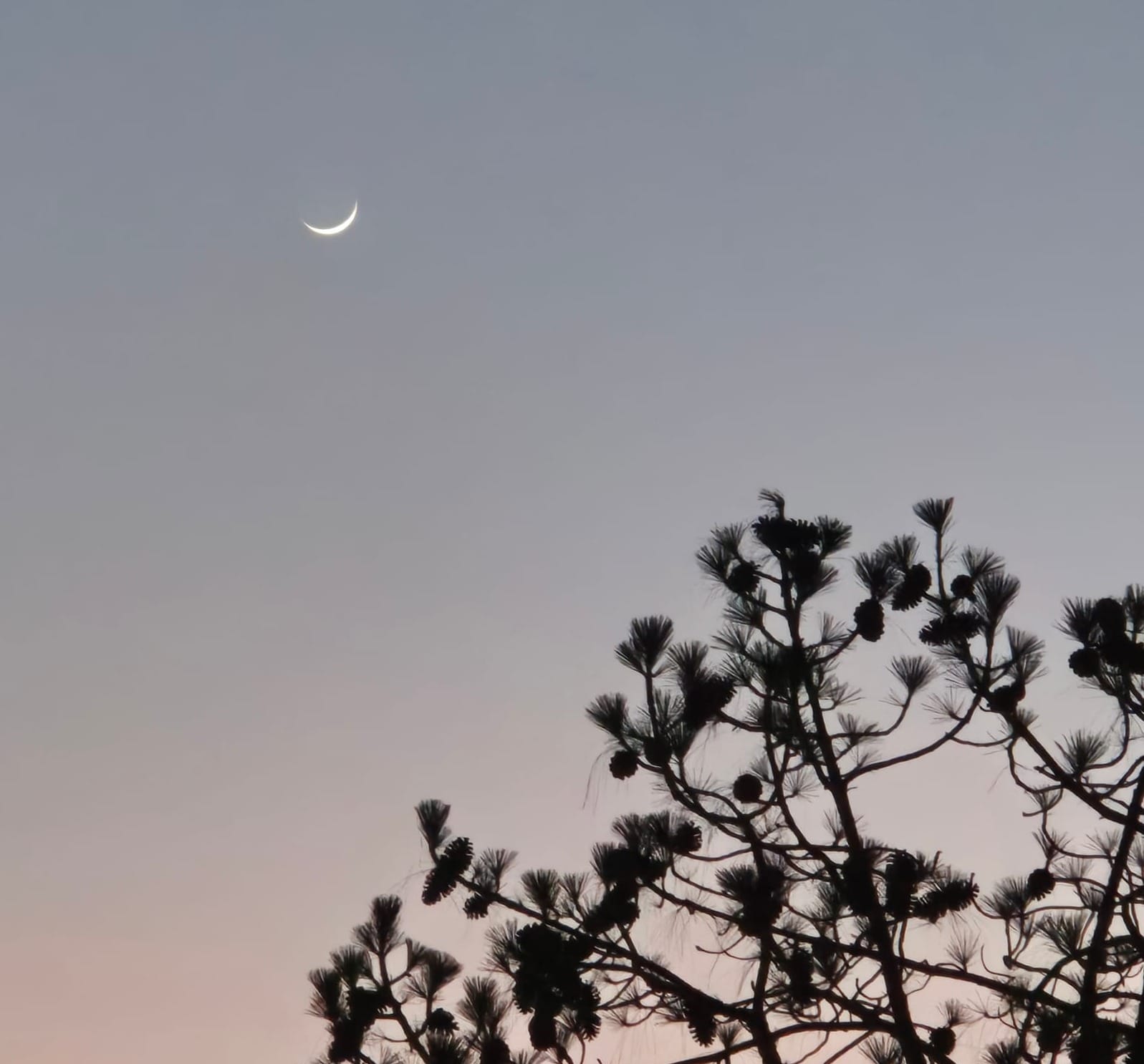
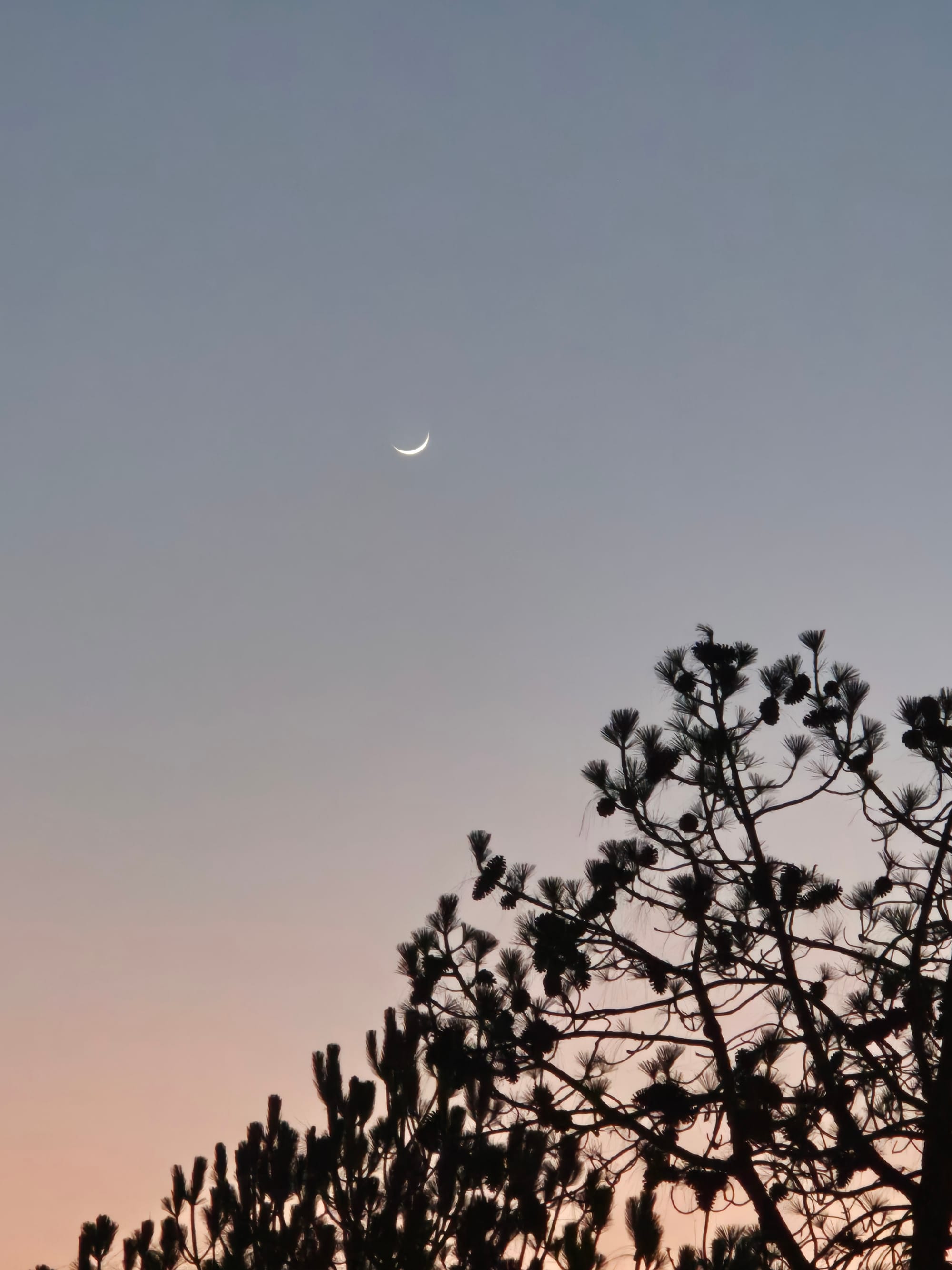
There is a difference of about 11-12 days between the two calendar systems. To bridge this gap, an additional lunar month is added every 32.5 months. The adjustment of the Adhik Maas is done to ensure that all festivals fall in the correct season and are in sync with the agricultural cycles, year after year. That is why its position is not fixed like other months. It is called the Adhik Mass (extra month) or Mall Maas (inauspicious month). This month may be added at any time during the year and is usually inserted in the first half of the year.
According to the lunar calendar 2026, the Jyeshtha month would be from 2 May to 29 June, spanning over 59 days. This would be inclusive of the Adhik Maas from 17 May -15 June, 2026. Since the Jyestha month would be double this year, resultantly Shraadh, Navratri and all festivals that follow would be delayed.
Every month in the lunar calendar has a Devta associated with it. There was no Devta assigned to the Adhik Maas as its presiding deity. Legend has it that since no one owned this month, Lord Vishnu gave His own name to the month and named it Purushottam Maas. According to the Solar calendar, the Sun transmigrates from one Zodiac sign to the next on Sankranti day. Since there are 12 Sun signs, there are 12 Sankrantis. There is no Sankranti in Adhik Mass.
Some people say that the days of Adhik Maas are inauspicious, and call it the Mal Maas, i.e. waste period. I believe that since it’s also called the Purushottam Maas, it’s a great time to spend time in the thoughts of Purushottam!
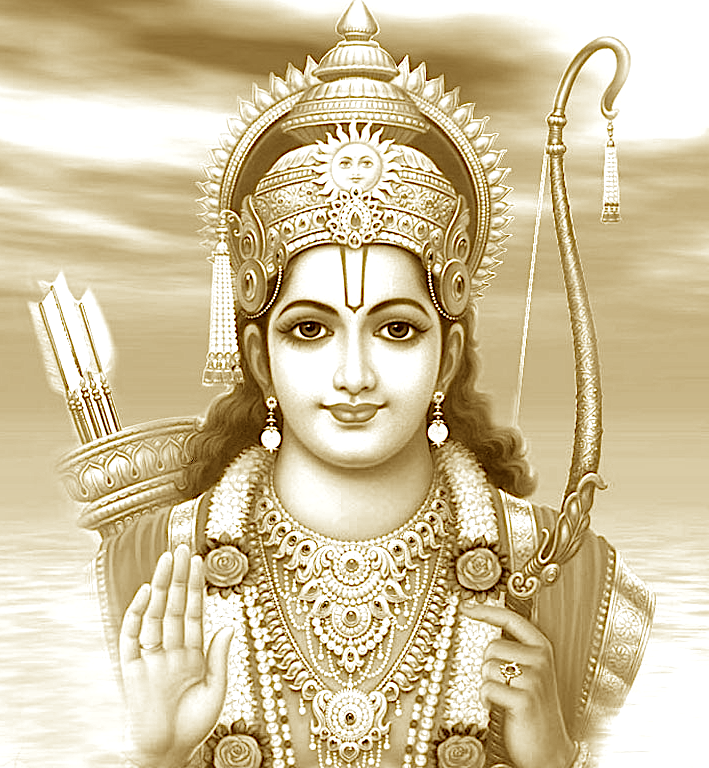
It is the best time for prayer and meditation and to seek the grace of God. Why pray with fear and negativity? Why not pray with devotion and positivity? Perhaps no auspicious work is done or started in this month because the anniversary of that event would fall in the Adhik Maas, and would not fall at the same time in the following years.
What is beautiful is that the difference between the Lunar and Solar calendars is documented and acknowledged by all. Yet it is systematically managed and balanced. This wonderful system was devised by our ancestors to bridge the gap between the two calendars. India follows what we call the Luni-Solar calendar. The dates of National importance, Banking etc., are fixed as per the solar calendar (also called the Gregorian Calendar), but festivals like Deepawali, Dusshera etc. are calculated as per the Lunar calendar.
The Sun is worshipped on Baisakhi as the giver of life. People bathe in holy rivers and offer water to the Sun. But did we ever pause to learn from the Sun? Is there a greater example of duty and giving than the Sun? The Sun rises without fail every day. We bask in its light and warmth! Plants perform photosynthesis in the presence of sunlight. If there were no Sun, there would be no photosynthesis and hence no food.
The Moon, presides over the mind and provides peace and calm. It causes the waves in the oceans. There is so much to learn from the Sun and the Moon. Rising with the Sun and aligning with it is great for our health. The Rishis of yore would sit in meditation for months together without eating or drinking anything. The energy from the Sun and the Moon would sustain them. The Sun teaches us about giving only. In fact, all elements of nature teach us only about giving. Where from has man learnt greed and wickedness?
With so much wisdom handed down by our ancestors, I often wonder why we are not at peace. The world stands at a point where everything could just come to an end because of the greed, hatred, and egoistic attitudes of some. While the world is out to achieve more, buy more, sell more, travel more, grab more, destroy more …. More, more and yet some more, sometimes it may be a good idea to just be. To just stop, wait and proceed slowly. Perhaps we need to watch where we are going. Perhaps we need to ask ourselves why we are going, where we are going.
True happiness comes through contentment and acceptance. Life takes us through a process of acquiring things and then realising that they are really not what give us happiness. When our state of mind is such that we find contentment in whatever we have, it is a blissful state to be in. If there is an acceptance of all things around us, relationships, responsibilities, duties, etc., there is a calmness that emerges from that acceptance.
Festivals are times to remind ourselves yet again to connect with God and improve ourselves constantly. As we step into the Solar New Year, let’s strive to be the best version of ourselves and take the learnings from the yesteryears along. Our future lies before us, like a sheet of driven snow. Let’s be careful how we tread it, for every mark shall show! Our choices shall determine what the times to come shall be like. With so much destruction happening in the world, I hope we can leave behind the five elements of nature in their pure form for our progeny.
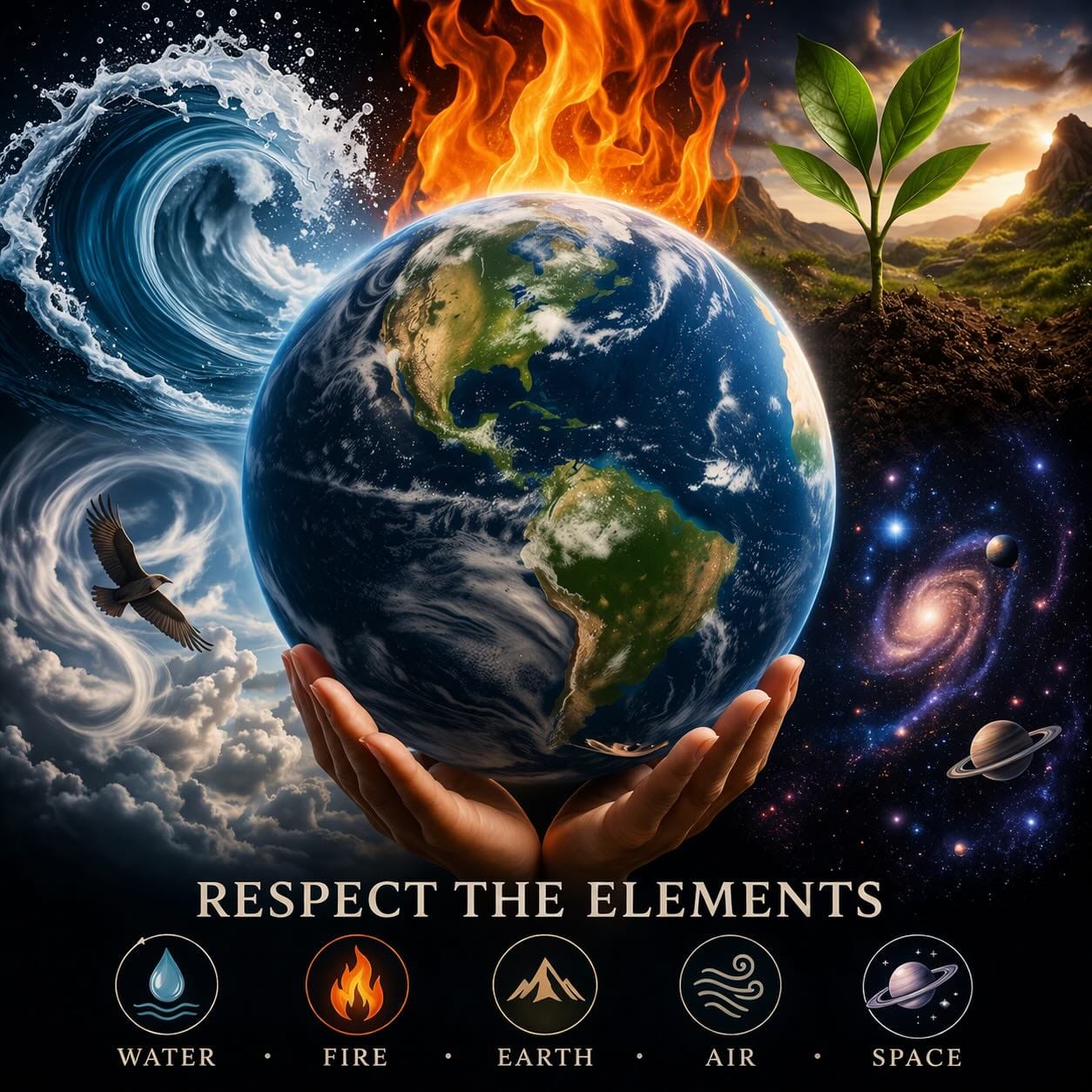
The space, air, water, fire and the Earth are all victims of pollution due to rampant greed and apathy. If mankind is not kind, it may just be wiped out altogether. May good sense prevail.
This piece has been published in The Daily Guardian on 07.04.2026. It can be viewed here https://www.magzter.com/stories/newspaper/The-Daily-Guardian/ALIGNING-WITH-THE-LUNISOLAR-CALENDAR-AND-BEYOND?srsltid=AfmBOorexFkX-0QUJjojKk98Qmog9LjvfiK7jflrMZ9jvlMMCFtMWPzg
Dear Friend, if you like the article, please share it with others. Please subscribe to my blog if you haven't already. It would be a great encouragement for me, and the subscription is free. Thank you 😊

Comments ()