
Lohri: From bonfires to belief
On Lohri day my father would peel peanuts for us and feed us, as we sat around a bonfire ... My mother would make popcorn and Gaajar ka halwa! In the present day, youngsters have gotten used to snacks like pizza, fries, nachos, chips ‘n’ dips etc.
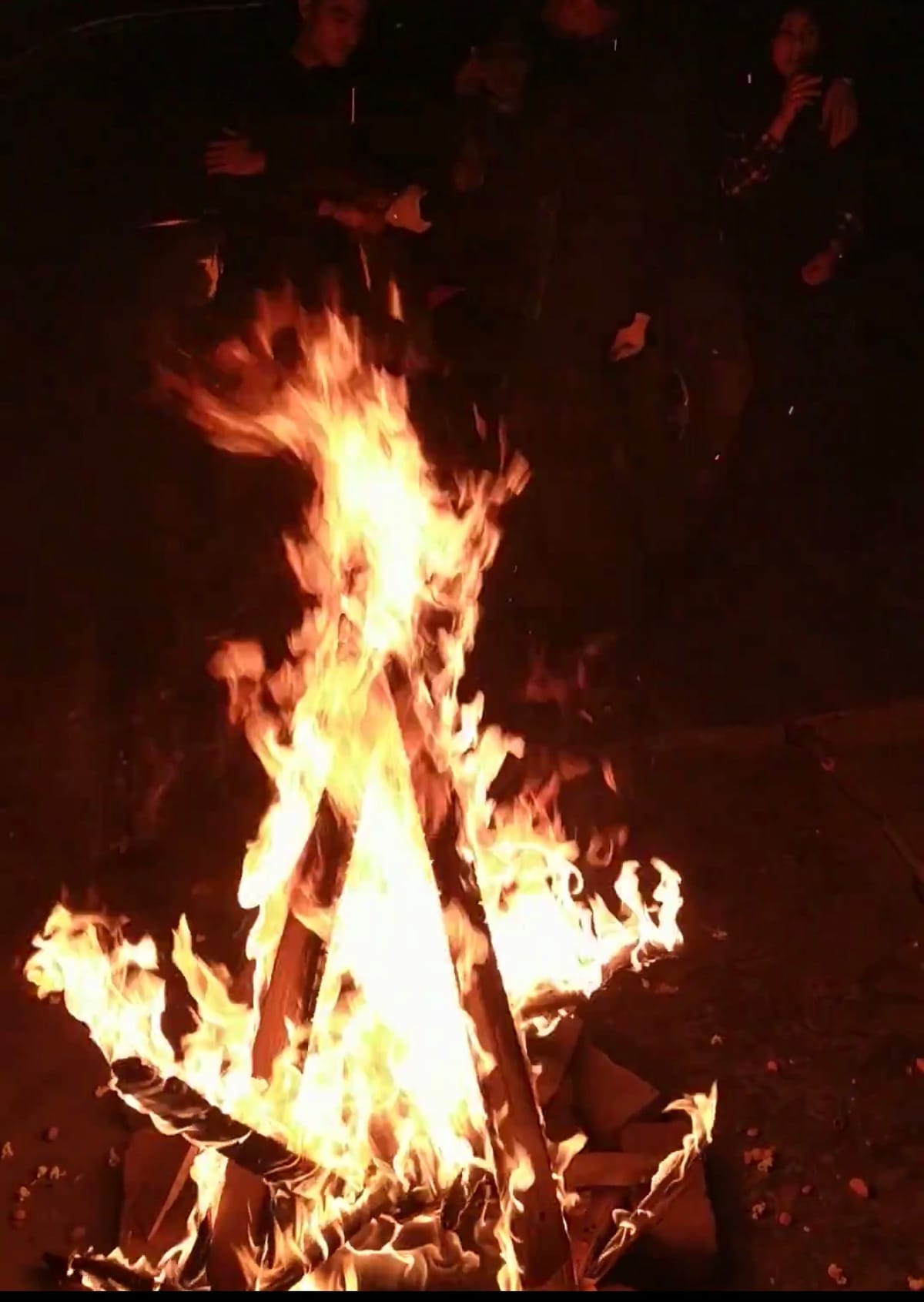
India’s festivals are rooted in religion and tradition, but they are also about food, fun and shared joy with family and friends. Some are celebrated within homes, others with the wider community. Lohri, essentially a festival of north India, belongs firmly to the latter.
Most Indian festivals follow the lunar calendar, but Lohri and Makar Sankranti are aligned with the solar calendar. That is why they fall around January 13 to 15 each year.
Winter in northern India is cold and foggy, and Lohri arrives at its peak. The festival is marked by community gatherings around a bonfire. Street vendors sell hot, sand-roasted peanuts and popcorn. Gachak and revadi begin appearing in markets weeks in advance.
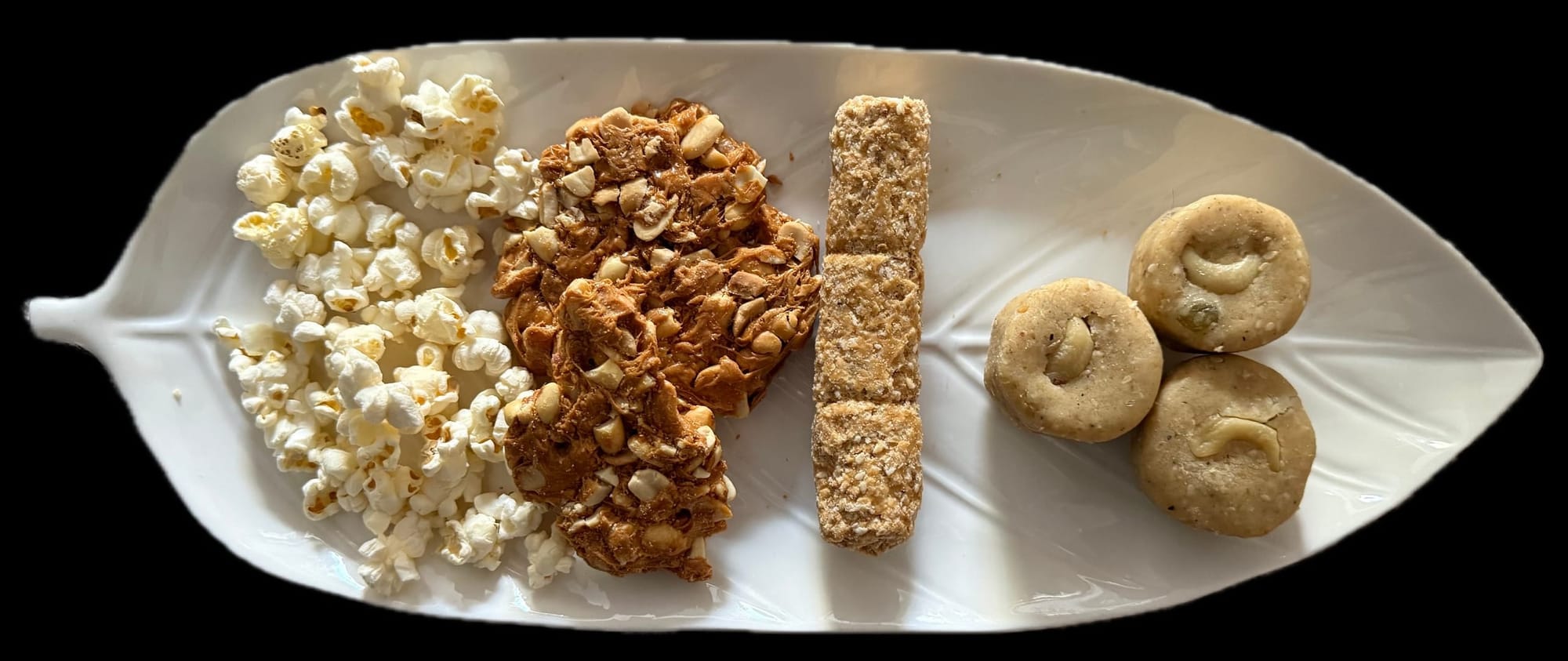
Made of gur, til and peanuts, these treats are believed to warm the body. Maroonda, prepared from puffed rice and gur, is considered a lighter alternative. Today, gachak has acquired gourmet twists, made with roasted chana, moong dal, popcorn, flax seeds and even makhanas.
As children, Lohri meant sitting around the bonfire while my father peeled peanuts and fed us. Sometimes he would roast whole green cholia plants in the fire. The smoky, charcoal flavour of the roasted cholia, called holaan, was unforgettable. My mother would make popcorn and gajar ka halwa. Today, many youngsters gravitate towards pizza, fries and chips, but traditional Indian snacks remain healthier and better suited to the season.
Our food habits have long followed nature. Cooling foods like dhokla and idli are preferred in summer. Ayurveda recommends fried snacks during the monsoon. My father-in-law fondly called them taleya-hoya, meaning pakoras of all kinds.
Now, at a later stage of life, I find myself drawn to a deeper meaning of Lohri. Interpreted as Lo + Hari, it means, “Take, O Lord.” It prompts reflection. What can we truly offer God? Flowers, fruits or money are not really ours to give. Everything already belongs to Him.
Bhagawan Sri Sathya Sai Baba expressed this beautifully: offering one’s love, hands, mind and soul to the divine. He went further, asking devotees to offer even their vices, trusting that He would take them away.
Dear friend, if you like this piece, do share it further. It would help me to increase my reach. Please subscribe to my blog. It's a free subscription. You shall receive an email whenever I post something on the blog. God bless!
This piece is published in the Indian Express on 05.01.2026 https://indianexpress.com/article/cities/chandigarh/timeless-tales-lohri-from-bonfires-to-belief-10456240/

Comments ()