
Sawan ka Mahina
I have childhood memories of listening to, “Woh Kagaz ki Kashti, Woh Barish ka Paani …”, “Sawan ka mahina, pawan kare sor …” and many more.
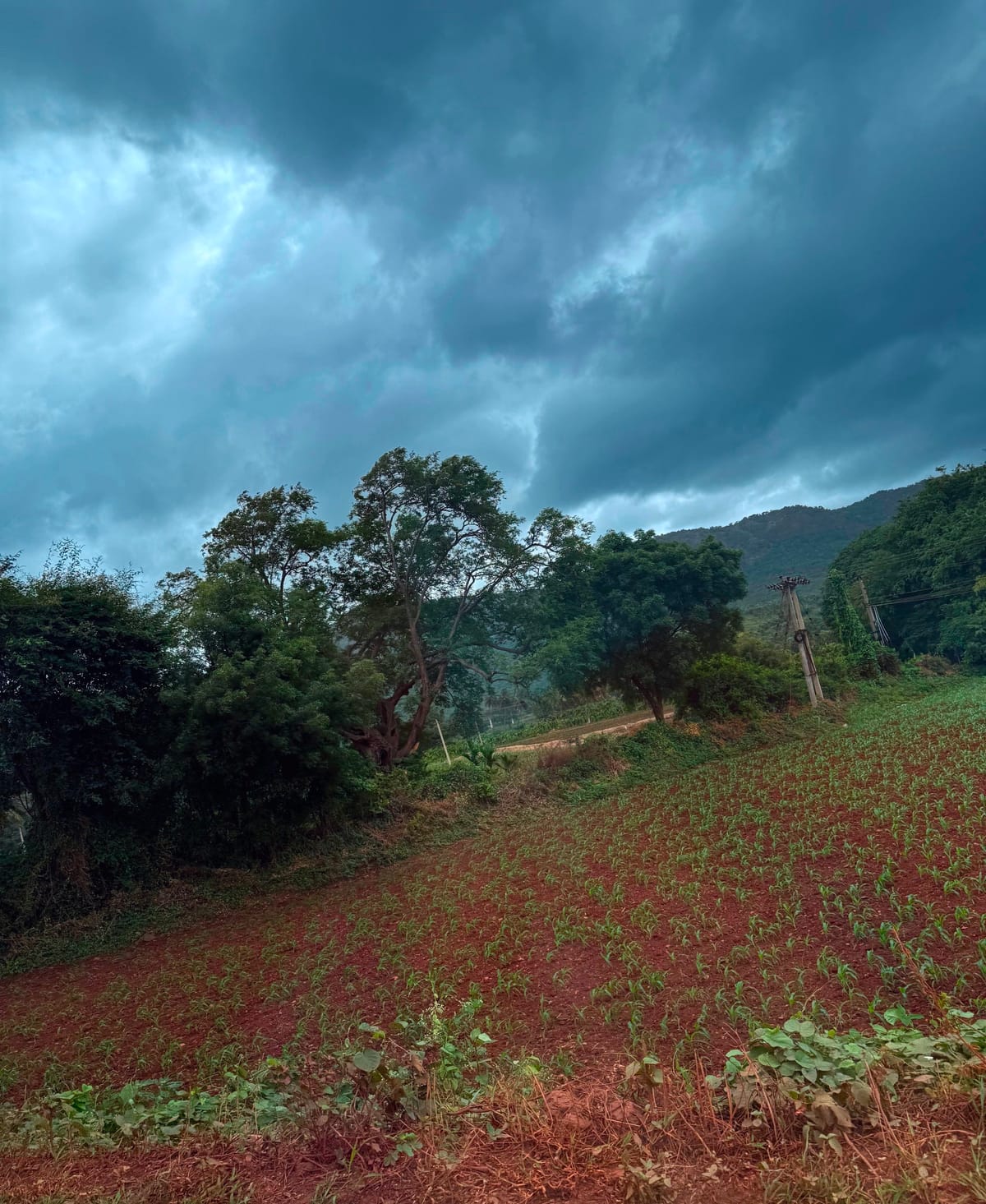
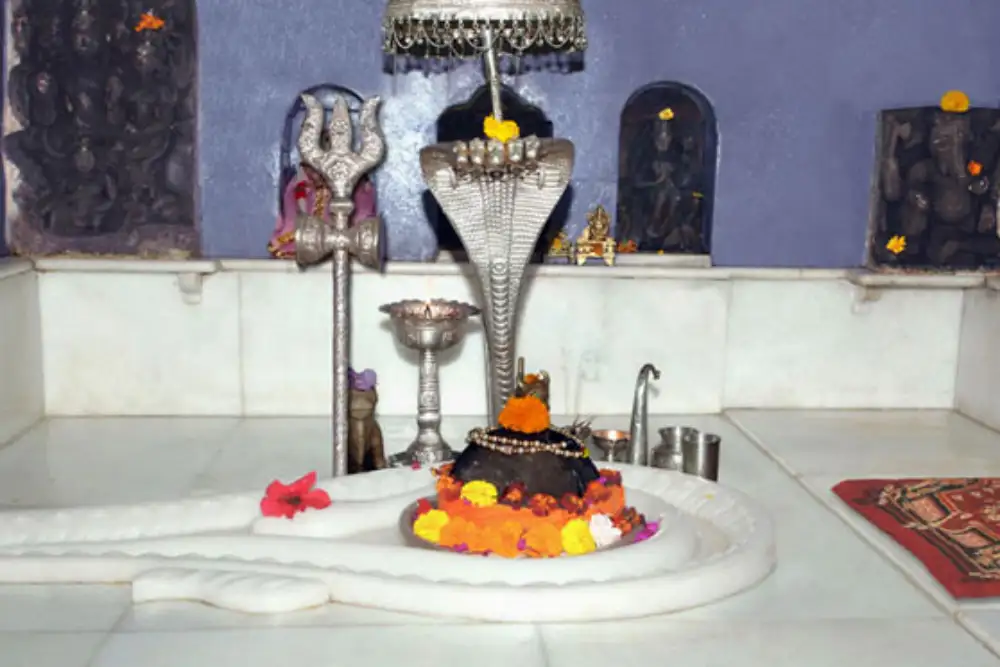
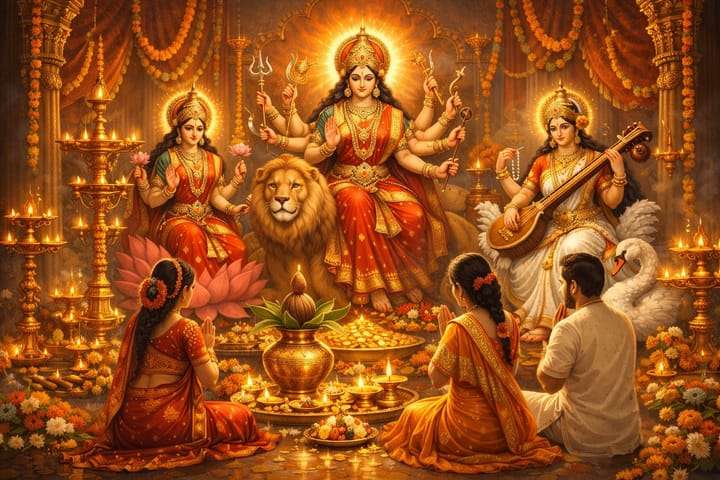
Sawan ka Mahina is the most beautiful season to witness the mesmerising beauty of nature. Nature is also called Prakriti. Prakriti is the manifestation of Parvati, the consort of Shiva. Prakriti, the feminine aspect of Divinity, encompasses the gross element of all of creation. Shiva is called Purush. He is the masculine form of Divinity and is static and eternal. He is the invisible life-force in creation. Sawan or Shravan, is the month that is dear to Lord Shiva because his Prakriti is at its best in this season.
It is considered auspicious to perform Shivalingam Rudrabhishekham, as well as fast on Mondays in the month of Sawan.
At the onset of the monsoon in Sawan, the first showers of rain bring down the dust particles suspended in the air, so the water of the first showers is not clean. But the showers that come thereafter, are clean and our elders advise children to play in these rain showers. Because, this is the season of mangoes, and while children eat mangoes, they get little eruptions on their body called prickly heat. Bathing in the rain cools down the heat in the body and gets rid of prickly heat.
India depends upon rains for its agriculture. The Indian farmer waits for the rains to come so that his parched soil and crops get inundated. The paradox is that our toddlers are taught nursery rhymes that are meant for countries where the Sun is scarce. They are taught to sing, “Rain, rain go away, come again, another day. Little Johnny wants to play.” The poor farmer prays to the rain God to send rain, while his son prays for the rain to go away! Wouldn’t God be confused? Should God listen to the prayer of the farmer or that of his son?
Everything in our culture is done for a reason or a season. All songs sung in the month of Sawan, revolve around enjoying the beauty of nature. There are songs about missing one’s beloved because traditionally, swings were put up in gardens for young couples in Sawan. The flowers exude fragrance and romance. Hariyali Teej is coming up on July 27th. On this day women dress up in colourful clothes and enjoy the swings in the gardens. They celebrate the union of Shiva and Parvati as well as celebrate their own conjugal bliss.
Considering that Sawan is the most romantic season of the year, Indian cinema has numerous romantic and nostalgic songs on Sawan. I have childhood memories of listening to, “Woh Kagaz ki Kashti, Woh Barish ka Paani …”, “Sawan ka mahina, pawan kare sor …” and many more.

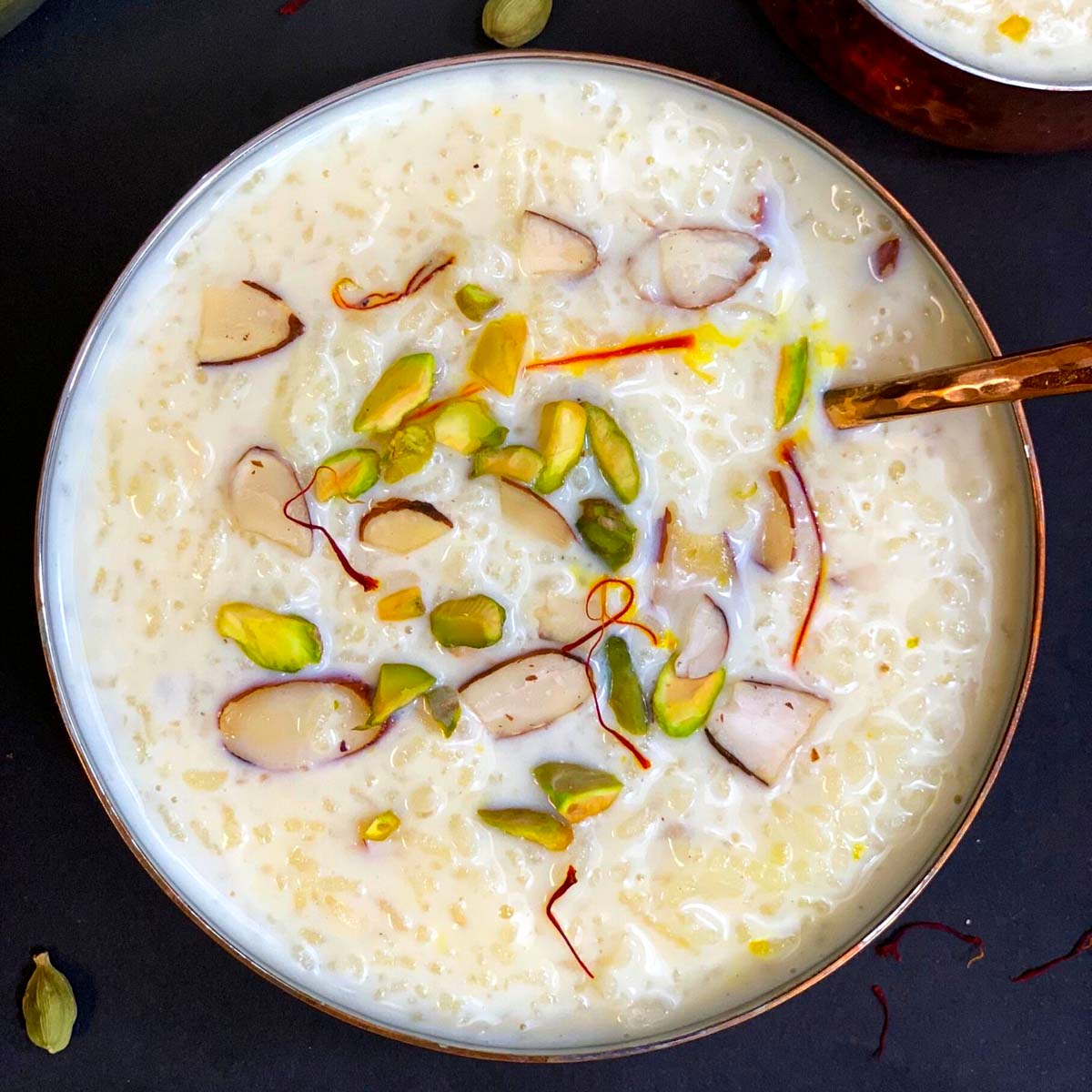
If we look at the traditions around food in Sawan, most people avoid milk and curd during Sawan because the bacteria in milk and curd multiplies hugely, due to the moisture in the air. This causes indigestion. Curd often tastes sour and is best avoided. Kheer made out of milk and rice is considered to be the best option of consuming milk in Sawan. My grandfather would often say, “Sawan kheer na khaadiya, te kyun jamiyo apradhiya?” Meaning, ‘If you did not have kheer in the month of Sawan, why were you even born, oh guilty mortal?’
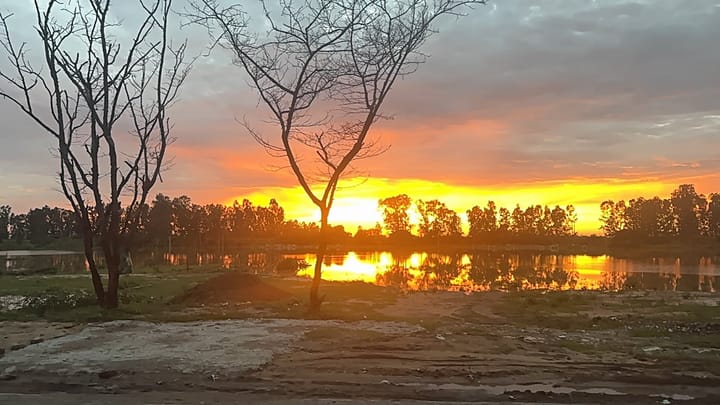
Well! Do step outdoors to enjoy and admire the bounties of nature. The trees in various hues of green, flowers in pinks, yellows, reds and purples, clouds in hues of blue and grey, gushing rivers, rainbows … each aspect of Prakriti is celebrating life! The invisible Shiva aspect within all of Prakriti is palpable!
A modified version was published in the Indian Express on July 21, 2025 and can be viewed here https://indianexpress.com/article/cities/chandigarh/swing-into-sawan-where-rain-romance-and-rituals-meet-10138117/
Dear Reader, If you like the article, do subscribe to my blog and send feedback too. I would be happy to know your thoughts.

Comments ()