The Tri-colour Beckons
The freedom fighters are no more. Those witness to that era, are also almost gone now. What has been begotten by much struggle, needs to be cherished and protected. The shoulders of the youth are strong but they need to be channelled in the right direction. Patriotism has to be invoked!
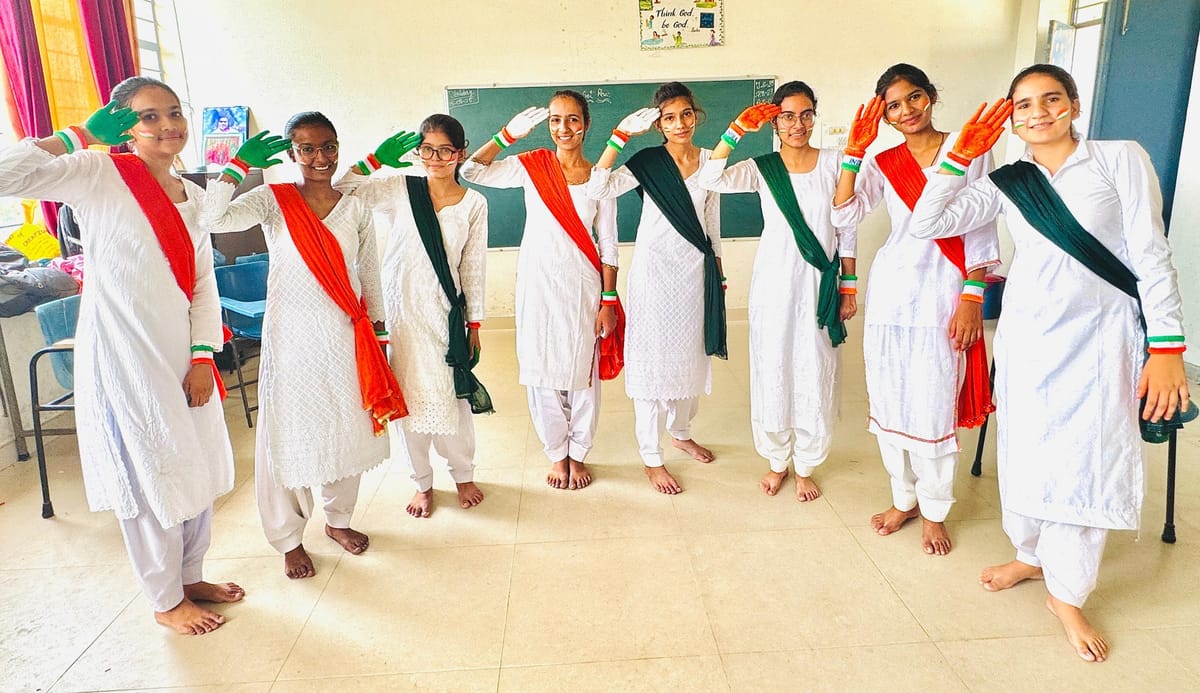
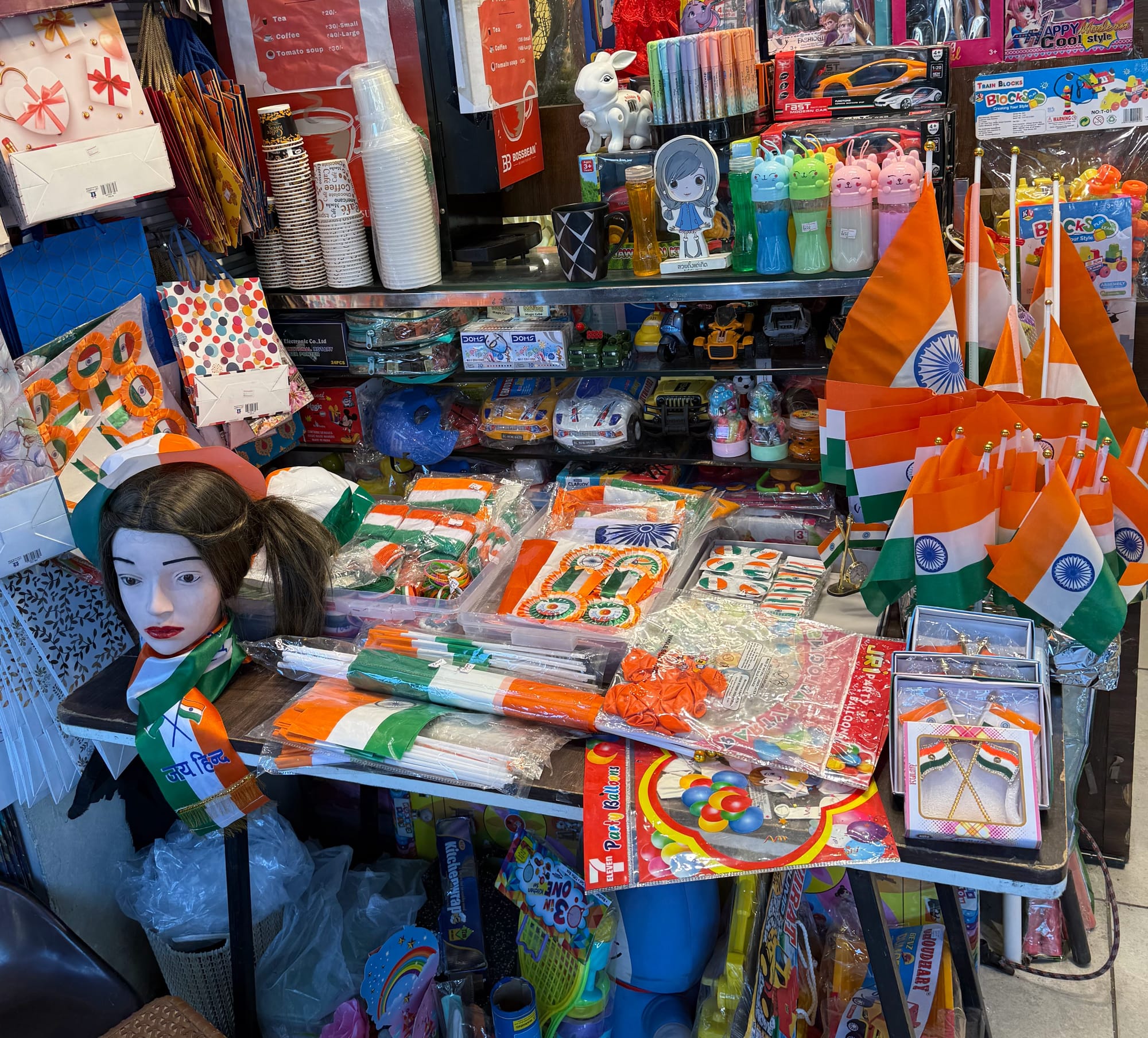
The 77th Republic Day of our great country, is round the corner. The streets, light junctions, markets et al, are dotted with the Bharatiya tri-colour! Look around … there are vendors with bunches of saffron-white-green balloons, tri-coloured clips and rubber bands; youngsters mixing and matching our tri-colour in their T-shirts, trousers, wrist-bands, glass bangles, dupattas, mufflers, caps and more!
On Republic Day, ‘We, the people of India’ celebrate our sovereignty, democracy as well as unity in diversity. The Republic day parade happens at Kartavya Path, New Delhi. It is presided over by the President of India. The President of the European Council Mr Antonio Costa and President of the European Commission Ursula von der Leyen shall be the Chief Guests for the Republic Day Parade, 2026.
The President Smt. Droupadi Murmu, shall unfurl the National Flag. The National anthem shall play along with a 21-gun salute. The three wings of the armed forces, the Army, Navy and Air Force as well as the Para-military forces shall showcase their strength. Each state would be given the opportunity to present a tableaux to showcase its culture and traditions. The three hour show, provides an opportunity for civilians to see how strong our country is on all fronts. It also invokes a definitive sense of pride and patriotism on what our country stands for.
Wherefrom did this much celebrated day, get its name? India had rejected on Jan 26, 1930, the British Raj’s offer of dominion status. India waged a fight for ‘Purna Swaraj’ or complete independence. After a long and arduous struggle by the spear leaders of the freedom movement, India finally became independent from the British Raj on Aug 15, 1947. But this did not grant India the status of a Republic. Our laws and governance norms, were still based on a modified version of the Govt of India Act, 1935. It was essential to have our own Constitution; one that embodied our ideals, tenets and goals.
The Constitution drafting committee chaired by Dr BR Ambedkar presented a draft in the Assembly, in Nov 1947. This was ratified after much discussion and changes and finalised in Nov 1949, whereby India became established as an Independent nation. But the complete implementation of the Constitution was postponed and finally announced on Jan 26, 1950. Because we wanted to honour and commemorate the day, our freedom fighters had demanded Purna Swaraj, 20 years ago! This is when India became a sovereign republic.
This day honours not only the enforcement of the Constitution; it honours the sacrifices, sweat and blood of our freedom fighters. It is our honour and privilege to protect and celebrate our sovereignty.
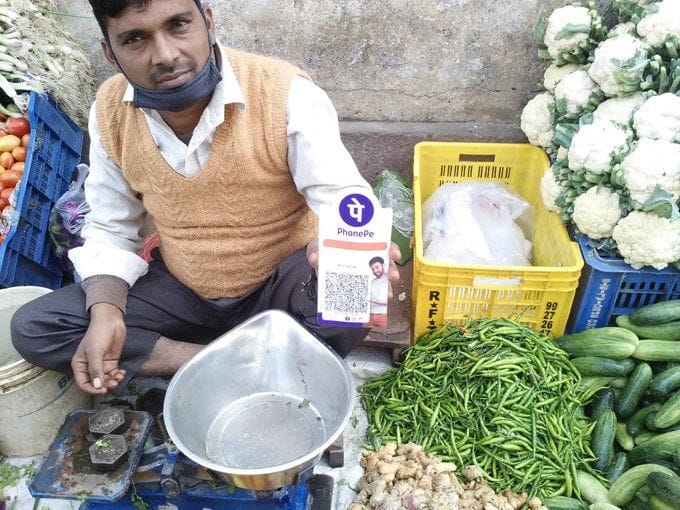
In the present era, India ranks high in economic growth, innovation and tech. It is leading in solar energy production. It manufactures and exports aircraft parts. Majority people have bank accounts and mostly all of India is digitally empowered. Even the uneducated Rikshaw Walas or Sabzi Walas use mobile apps like UPI or PhonePe to transact business. This is a landmark in development.
Communication is easy with mobile phone technology available at minimal prices. Cab drivers too have become tech-savvy; they use google maps and even resort to ChatGPT to translate instructions given by clients, into the vernacular. Travel has never been easier with the incremental rise in availability of trains, flights and road connections in the past few years. Education has done away with the redundant parts in the syllabi. The focus is now on real learning, not just cramming up.
Khadi was earlier thought to be a fabric worn by the poor peasants; now it is used by leading fashion designers and is worn by the rich in its various avatars like Linen, Mulmul etc. Indian silks like Kanjeevaram, Banarsi, Mysore, Tussar, Kosa etc. are much coveted and acclaimed in the world.
As Republic Day is approaching, the patriotic zeal around us is palpable and contagious. The saffron, white and green are the pride of everyone proud to be Indian; more than ever before, in the history of independent India.
Yesterday, when I served salad, my little granddaughter picked out slivers of carrot, radish and cucumber; arranged them in the right order on her plate, placed a black olive slice I the middle and said, “See Badi mama, Jai Hind flag!”
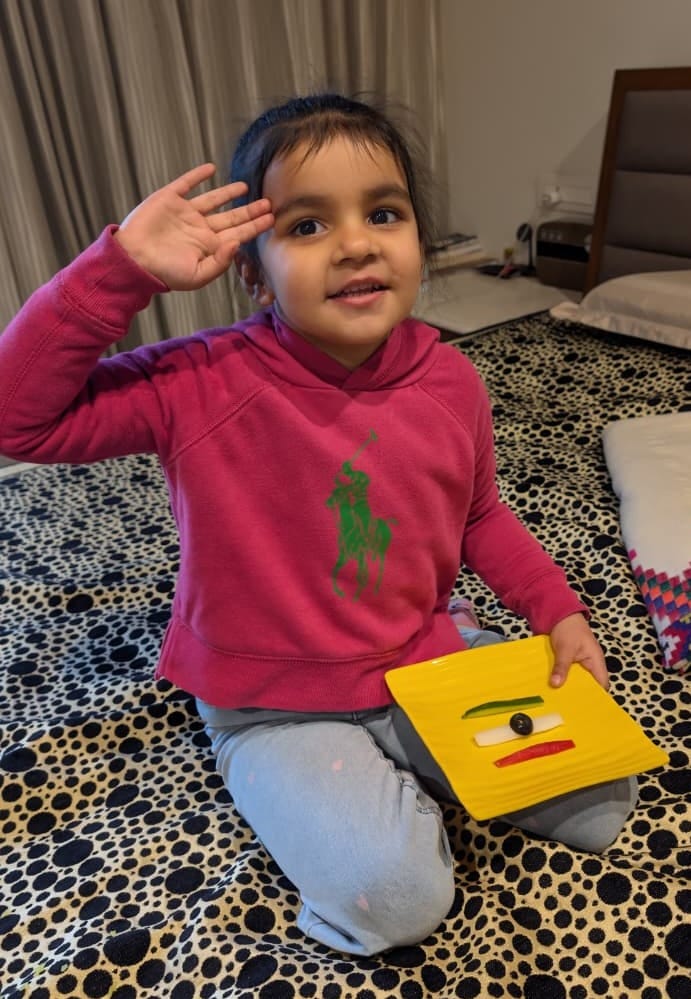
On Republic Day we sit with the children to watch the live telecast of the Republic Day Parade from Kartavya Path, New Delhi. We usually dress up in the tricolour, and there is a nostalgia as we watch the armed forces flaunt their might on TV. Breakfast too has to fall in line … yes, it has to be tricolour. I couldn’t suppress a grin when my little one said beaming, “I spy with my little eyes, something saffron, white ’n’ green! I spy Poha with carrots ’n’ beans!”
The celebration of Republic Day is not just limited to wearing the tri-colour, waving a little paper flag and posting a selfie on social media. It is more about being proud to be Indian. The brain-drain of the yesteryears seems to be catapulting backwards and India is the preferred destination of all those watching the world trends.
The youth of India are its greatest strength. 60 percent of our population is under the age of 35 years. They are second to none in skill, intellect, work proficiency and work ethics. It was earlier felt that Indian youth are handicapped because they are not proficient in English. That too is a thing of the past. Our education system recognises that it’s important that our youth learn English, in addition to their mother tongue. Our rich cultural diversity and heritage are what the world envies. And India has become conscious of celebrating what is truly ours.
It is important that our youth be made aware of how hard-earned our independence is. They should know of the sacrifices made by our freedom fighters. The freedom fighters are no more. Those witness to that era, are also almost gone now. What has been begotten by much struggle, needs to be cherished and protected. The shoulders of the youth are strong but they need to be channelled in the right direction. Patriotism has to be invoked!
Wherever we are located, let’s make it a point to watch the Republic Day parade, whether live or on TV, along with the youth in our family/surroundings. Let’s tell the youth that each one needs to do their duty just as each member of the armed forces is doing theirs. Let’s give them the awareness, that Work is worship and Duty is God!
On 26 January, 2026 the Republic Day celebrations shall centre around the completion of 150 years of our national song, Vande Mataram. The slogan shall be: Swatantrata ka mantra – Vande Mataram; Samriddhi ka mantra – Atma Nirbhar Bharat. The message is loud and clear: Revere the motherland and value your independence. Prosperity and success shall come from becoming self-dependent.
Let’s join the celebrations with gratitude and pride, patriotic zeal and fervour! Jai Hind!
This is published in The Daily Guardian on 24.01.26 https://epaper.thedailyguardian.com/2026/01/23/e-paper-today-delhi-24-january-2026/

Comments ()