
The Triumph of Good Over Evil
We are not just earthly beings trying to connect with spirituality. We are spiritual beings on an earthly sojourn.
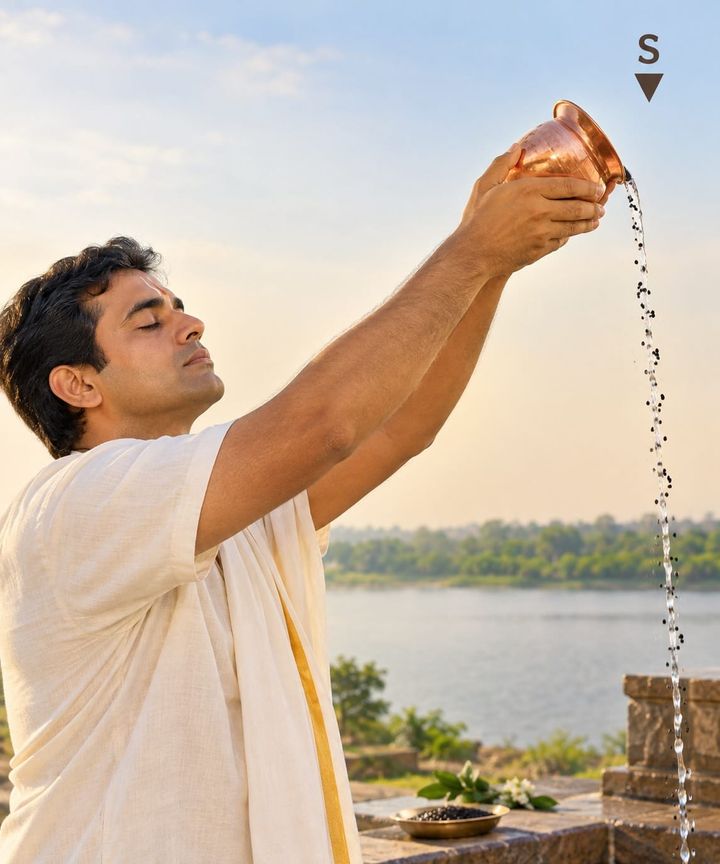
The Pitr-paksha has been ongoing since September 26th. Its last day, called Sarvapitri Amavasya, falls on 10th October, 2026. If you have missed doing the Shraadh, by offering reverence and gratitude to your deceased ancestors, do consider doing it on October 10th. On this day, one can do Shraadh-tarpan for those whose death date we may not even know. One can even perform Shraadh-tarpan for those who are not related to us because our scriptures say that, in the dictum of Vasudeva Kutumbakam (the world is one family), we can do the shraadh of anybody who has no one to do it after they die.
October 11th marks the beginning of the Sharadiya Navratri. Nav-ratri means nine nights. In this period, we worship the divine mother, the feminine aspect of divinity, in its nine forms as Navdurga. Worship of God in any form is done with the sole purpose of establishing a connection with divinity. The nine forms of the Devi are Shailaputri, Brahmacharini, Chandraghanta, Kushmanda, Skandamata, Katyayani, Kalratri, Mahagauri and Siddhidatri.
The nine nights of darkness refer to the darkness of ignorance in us. The vices that plague man’s persona are Kama (Lust), Krodha (anger), Lobha (greed), Moha (attachment), Madha (pride) and Matsarya (malice). These vices turn men into demons. These bestial tendencies have to be overpowered and thwarted by manifesting the supreme alchemy of the divine urge within us. Emerging victorious over the vices is what we need to do. This is the real purpose behind Navratri pooja … to celebrate the victory of good over evil within and without!
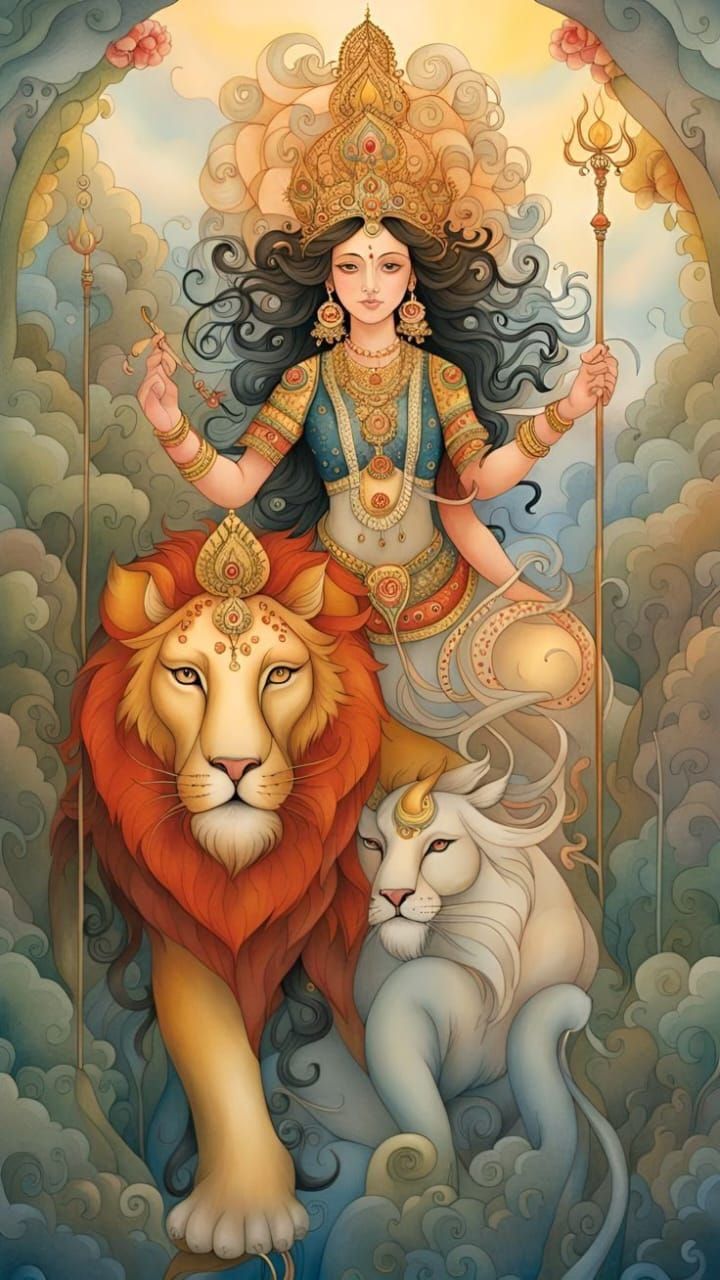
Legend has it that the female aspect of Divinity manifested as Durga. Goddess Durga battled the demon Mahishasura for nine nights before finally killing him. Goddess Durga embodied the Satwic (as Saraswati), Rajasic (as Lakshmi), and Tamasic (as Maha Kali) qualities. The three facets of Durga together represent Shakti. This Shakti is the energy that accounts for the phenomena of Prakriti (Nature). Nature is energy, and the controller of that energy is God. Prakriti is the gross form that we can see. Parmeshwara is the subtle aspect that is not visible to us. When the energy of Parmeshwara enters Prakriti, creation happens!
All Hindu festivals have a sacred purpose. In all forms of worship, there should be devotion coupled with steadiness of mind and body. Unfortunately, nowadays festivals are only about external rituals without understanding their inner meaning. I recently saw an advertisement for sarees saying, “Are you ready for Navratri?” Really? Is that all there is to Navratri?
We are not just earthly beings trying to connect with spirituality. We are spiritual beings on an earthly sojourn. Just as a child, after playing for some time, becomes tired and wants to go back home, so too, after having been on our earthly sojourn, we want to connect back to our divine master, and this is the very purpose of prayer. Prayer is simply talking to God. Prayer is about connecting and being in the awareness and presence of God.
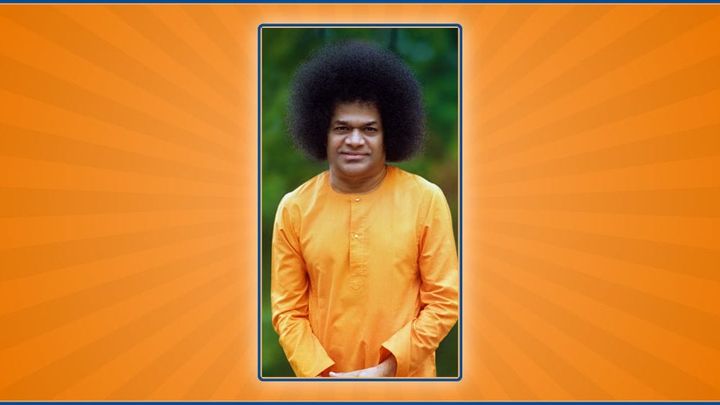
In discoursing about the way to achieve communion with God, Bhagwan Sri Sathya Sai Baba said, “In the Krita Yuga it was Tapas. In the Treta Yuga it was Yajna. In the Dwapara Yuga it became worship. And now in the Kali Yuga it is Nama smarana.” It could not be simpler than it is now … just namasmarana! Remembering and chanting the name of any deity you love … Durga, Shiva, Krishna, Rama, Hanumana, Sathya Sai, that’s the royal road to achieve oneness with God!
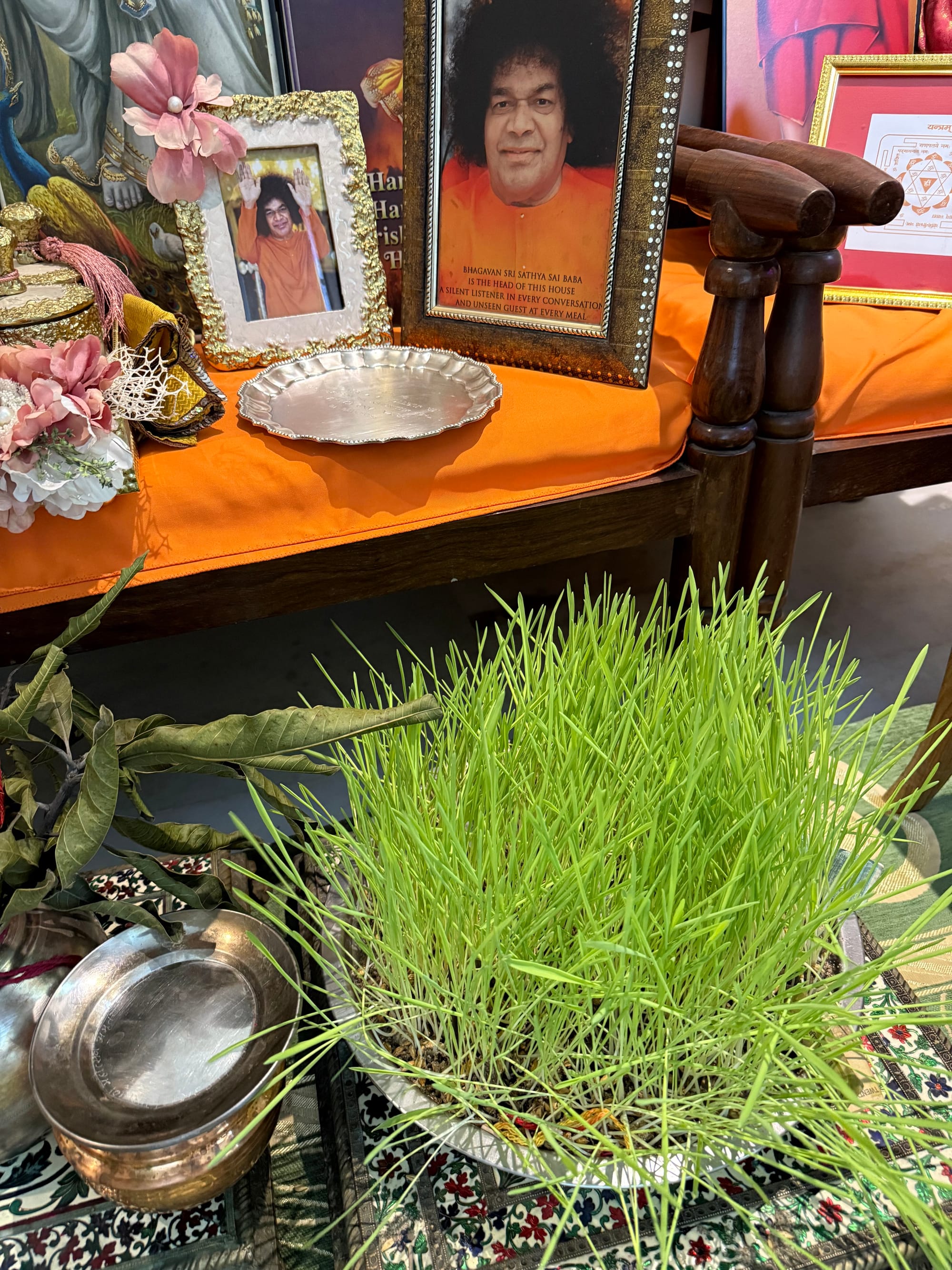
This Navaratri, do set up a kalash in your mandir at home, and place some mango leaves with a coconut on it. Sow barley seeds in a wide vessel and offer prayers to the Devi. On Ashtami or Navami day, serve prasadam of Halwa, chana and poori to young pre-pubescent girls and give them Dakshina as embodiments of the Devi.
These traditions have deep meanings. They teach us to connect with the divinity within. They teach us to respect nature and to adulate and value the girl child. Navaratri fasting entails having only non-cereal food, cooked in rock salt. Even if you don’t believe in rituals, that’s a great menu to detox and prepare the body for the winter season. Happy Navratri!
Published in Indian Express on 05.10.2026
If you like the piece, do share it further. Thank you :)
Comments ()