
Where is Varanasi?
There is a place in Kashi called Mukti Bhawan, where people who feel their end is near, come to stay. This is because of the belief that if one dies in Varanasi, they would get Moksha.
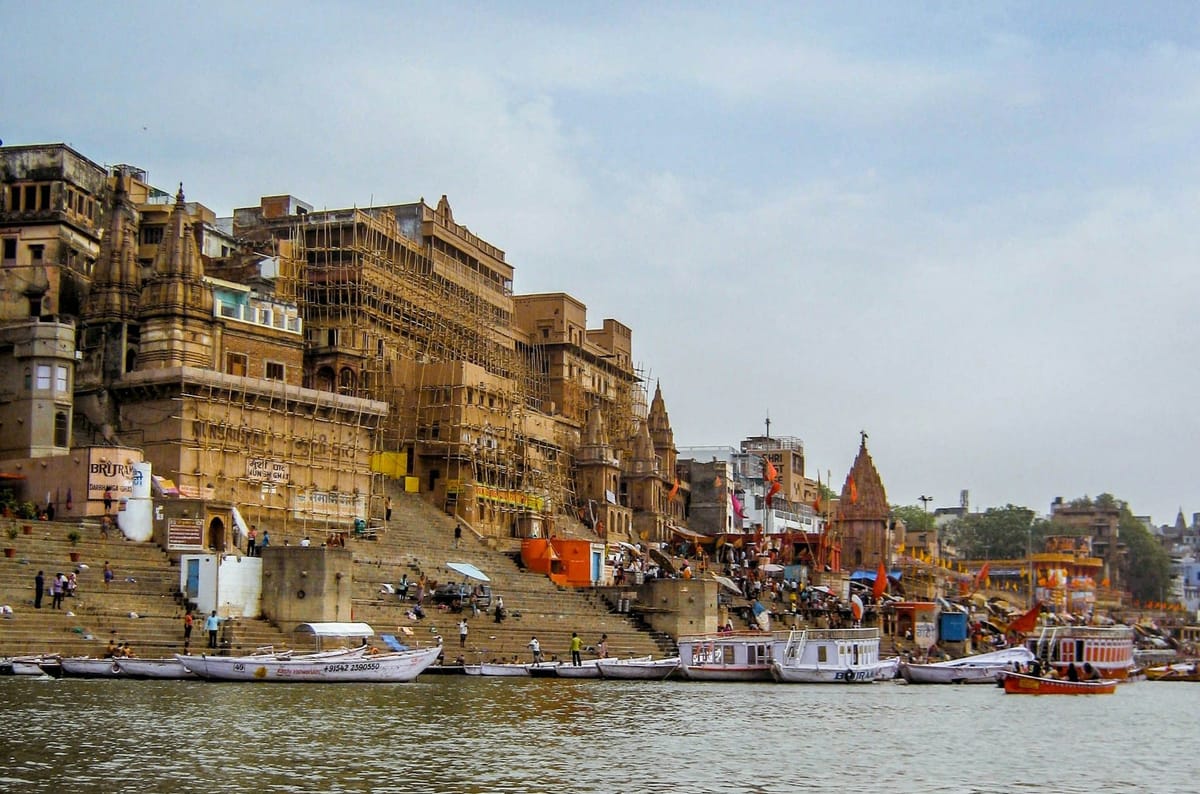
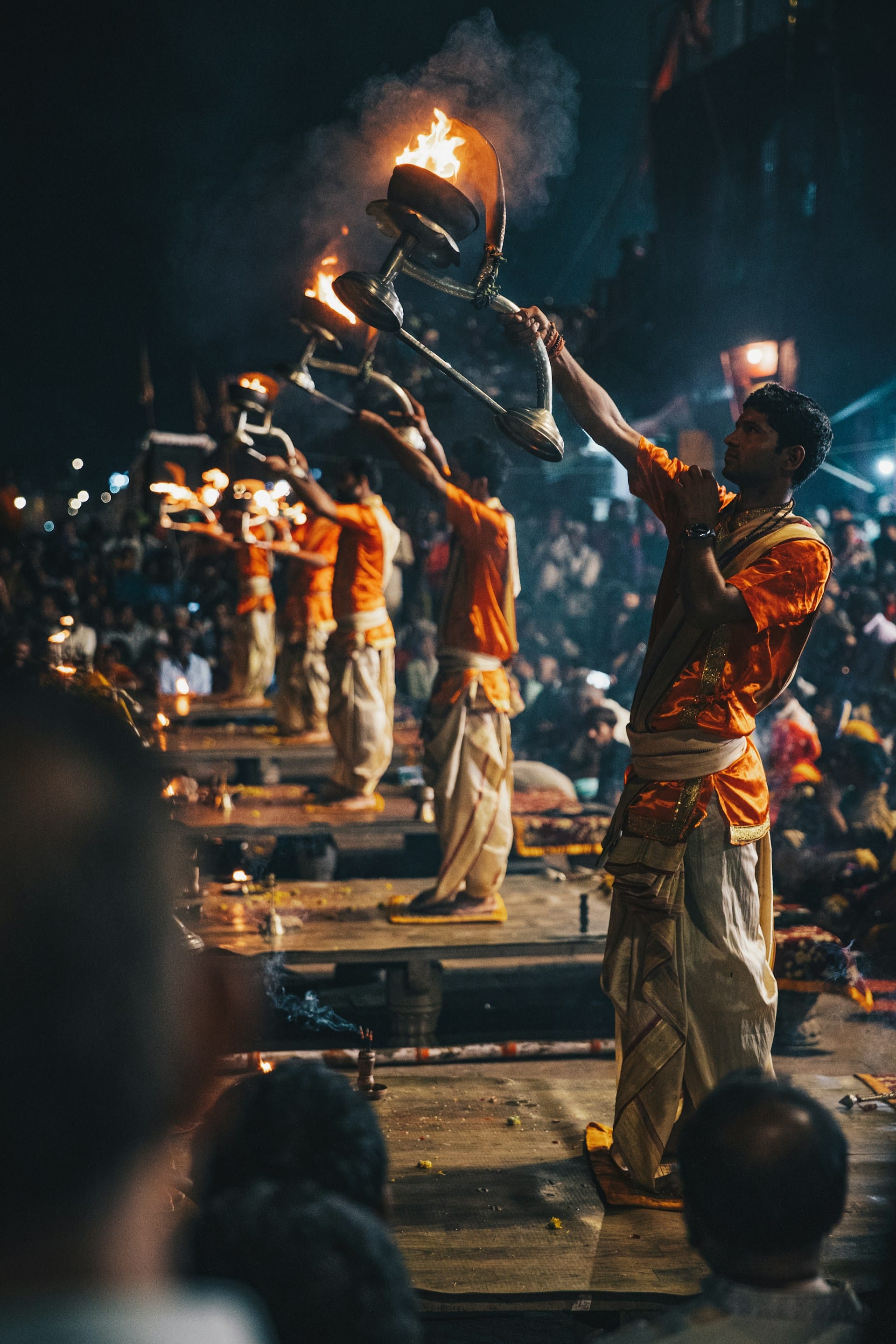
It is said that the ancient, holy city of Kashi was set up by Mahadev at the askance of His devotees to develop a community on the Earth. Kashi is like a little Kailash! ‘Kashi’ means luminous, it signifies a place that is radiant and glowing, being a seat of great learning and spirituality. Kashi is also called Varanasi because two tributaries of the River Ganga - River Varuna and River Assi flow through it. Another version is that there were originally Assi (80) ghats on the riverbank. Varuna + Assi became Varanasi. Presently, there are many more ghats. They are used for religious ceremonies, bathing, cremations etc. The Manikarnika Ghat is the preferred one for doing cremations. At sunset when all the ghats are lit up for Ganga Aarti, it is truly luminous – Kashi!!!
The city is also called Banaras. Banaras is short for Bana-rahe-ras! May the nectar of the Gods always be tasted and experienced by all who visit Banaras!
When we reached the Kashi Vishwanath Mandir at Varanasi, I was caught completely unawares by the humongous sea of humanity there. There were people all over, lining up in every corner of the huge premises, making a beeline for the Garbhagriha, housing the Kashi Vishwanath Shivalingam. We were there for the 4:00 PM darshan, but were able to get only a fleeting glimpse of the Shivalingam. The aura of devotional fervour and yearning to get a glimpse of the Shivalingam, was completely overawing.
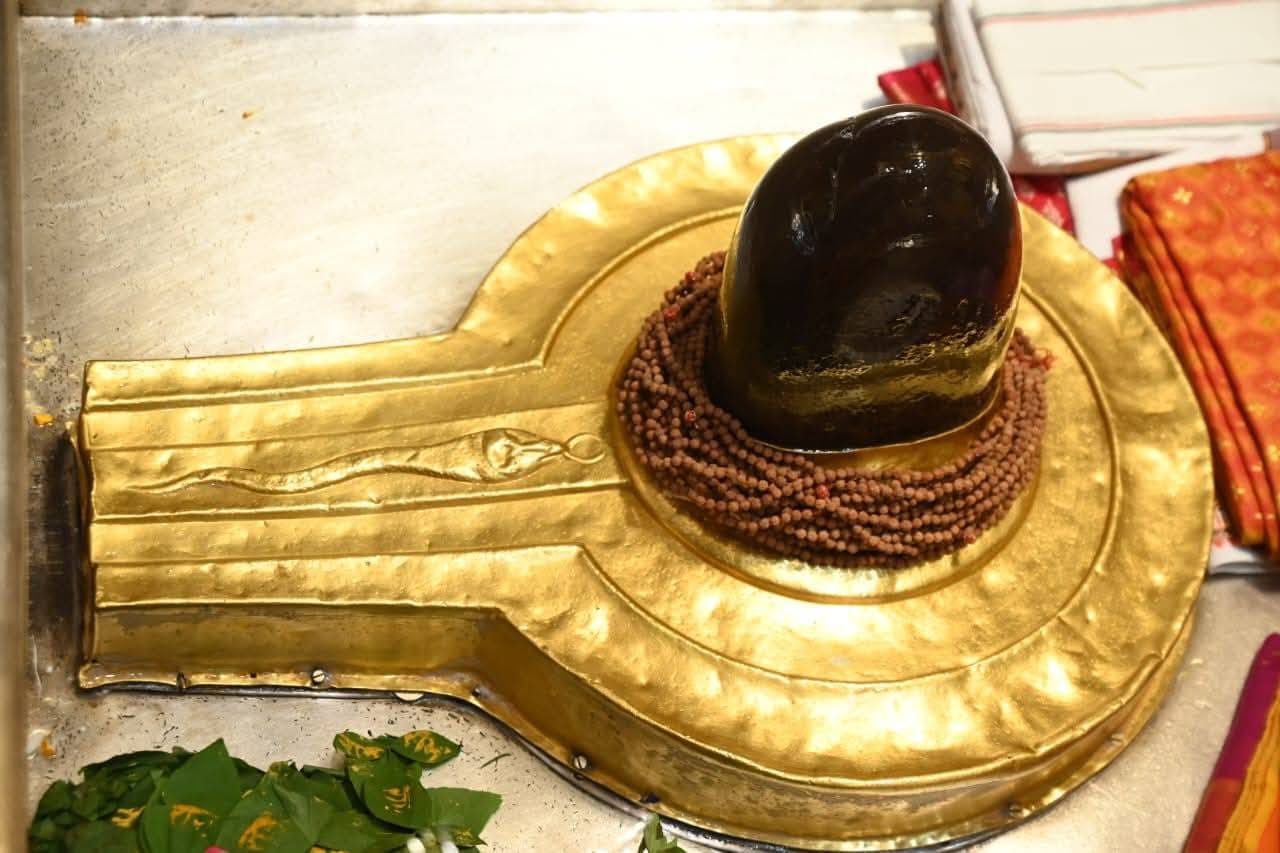
Despite the sweltering heat and sweat, people were there in huge numbers. After a brief glimpse of the Shivalingam, we sat in the courtyard outside the Garbhagriha. Sitting there, we observed the renovation happening at the Shikhar of the temple. I had read that a white owl had been spotted there a few weeks ago, during the Aarti time. There were many opinions about the owl. The most popular and authentic one seemed to be that of a learned man who said that the spotting of a white owl, in the premises of Kashi Vishwanath, signifies Yuga Parivartan! This means that the Kaliyuga would come to an end in just a couple of years and the Satya Yuga would begin!
On the next day, we went for the early morning darshan at the Kashi Vishwanath temple. It was a Sparsh-darshan where one could fleetingly touch the Shivalingam. The crowds being totally uncontrollable, it was again a very hurried affair and our hearts were not satisfied. What came as a surprise and a blessing, was the opportunity to do Rudra-Abhishekam to the Shiv Lingam housed just opposite the Garbhagriha. This Shiv Lingam is called Tarakeshwar Mahadev, being another form of Shiva. Tarak-Eshwar means Taaran-Haar; the one who can free us from the cycle of birth and death. (The main Shivalingam of Tarakeshwar Mahadev is at Manikarnika Ghat.) We were able to do an elaborate Rudra-Abhishekam with milk, curd, shakkar, flowers, water, Kumkum etc. The vibrations and the aura that enveloped us were completely mesmerizing and deeply overwhelming.
Thereafter we visited the Vishalakshi temple, Parvati temple, Annapurna temple, Badri Narayan temple and the huge Nandi statue that has its back towards Kashi Vishwanath. It faces the Gyan Vapi structure where deep down below, sits the original Kashi Vishwanath Shivalingam. We were able to see the Lingam through a little window. That Shivalingam is not accessible to anyone because at some time, a huge mosque had been built over it and the case is still sub-judice.
Gazing at the Shivalingam, from afar, made me want to come here again after a beautiful mandir would be erected over this ancient Shivalingam that was installed here by Mahadev Himself. A little distance away, we had a breath-taking view of the Sunrise at the banks of Mother Ganga as the Sun emerged from the horizon.
There is a place in Kashi called Mukti Bhawan, where people who feel their end is near, come to stay. This is because of the belief that if one dies in Varanasi, they would get Moksha. They can stay there for 15 days; if they do not pass away, they have to leave the premises, so that someone else can be given a chance!
I wondered how this could be true; how could anyone predict the time of death?
I came across a beautiful explanation, so sharing ... The place where your eyebrows are placed on your forehead is called Varana in Sanskrit. Your nose is called Nasika. If you draw an imaginary horizontal line running through the eyebrows and a vertical line running down the nose; at their intersection, lies the spot where the third eye rests. It is called the Ajna chakra. If a person dies when he is mentally resident in the Ajna chakra, he attains Moksha! Suddenly it all fell into place …
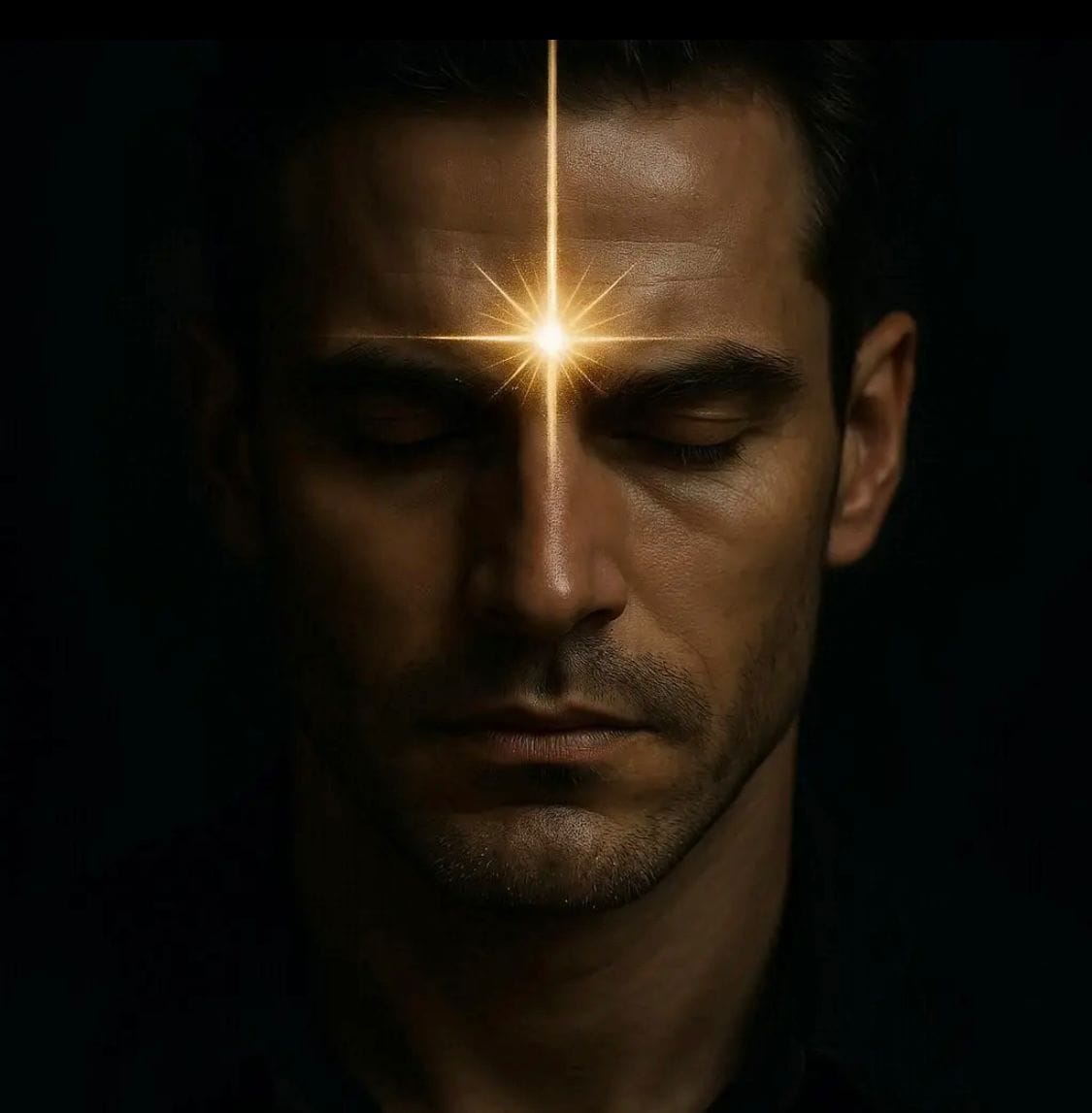
When our mind is focussed on the third eye, we experience spiritual awakening or oneness with God. If our inner self is connected to the Paramatma at the time of our last breath, we shall surely attain Moksha! Suddenly a small voice in me said, ‘I want to live and die in Varanasi! The Varanasi inside me …’
Ayodhya Darshan:
After experiencing, Varanasi we drove to Ayodhya. Many years ago when my father-in-law, Late Sh. Balramji Das Tandon visited Ayodhya and saw Ram Lalla, housed in a tent there, he wept, saying that we live in beautiful houses given to us by the Lord, but HE lives in a tent. Ever since the Pran Pratishtha of Ram Lalla in Ayodhya was done, we yearned to take His darshan at the Ram Mandir. As we entered the Mandir complex, my husband Sanjay, placed his forehead on the first step of the Mandir and was teary-eyed as he remembered his father. He said, “If Papa had been alive, he would have been so happy to be here.”
The newly installed idol of Bhagwan Ram in his Bala Swaroop, i.e. as a child, was just breathtaking.
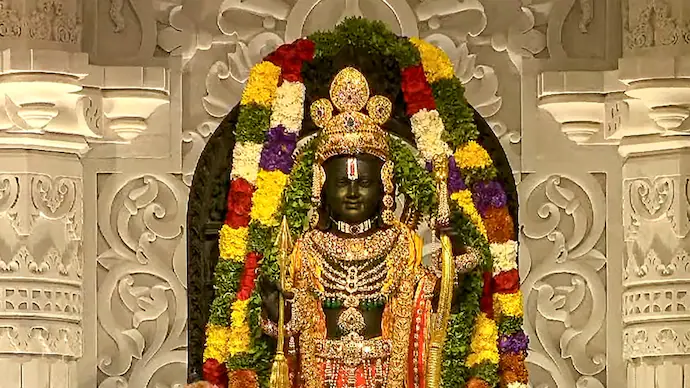
One could just keep gazing at it endlessly. No phones or cameras were allowed in the temple complex. So no selfies with the Lord, could hold up the crowds and the Que. The line for darshan were unending though! There were no offerings of prasadam, flowers or fruit; so the complex was clean. Later, we got prasadam from a prasadam counter. It was overwhelming to experience that we were walking where Bhagwan Ram and Sita ji had once walked. Each speck of the Earth was charged with the name of Rama. Being there was like recharging your phone battery … it rejuvenates and reminds us of the purpose for which we were born.
Next, we went to ancient Hanuman-Garhi temple. That being an old temple, the darshan lines were not systemised as in the Ram Lalla mandir. But the devotion of the crowds that thronged the Mandir, had to be seen to be believed.
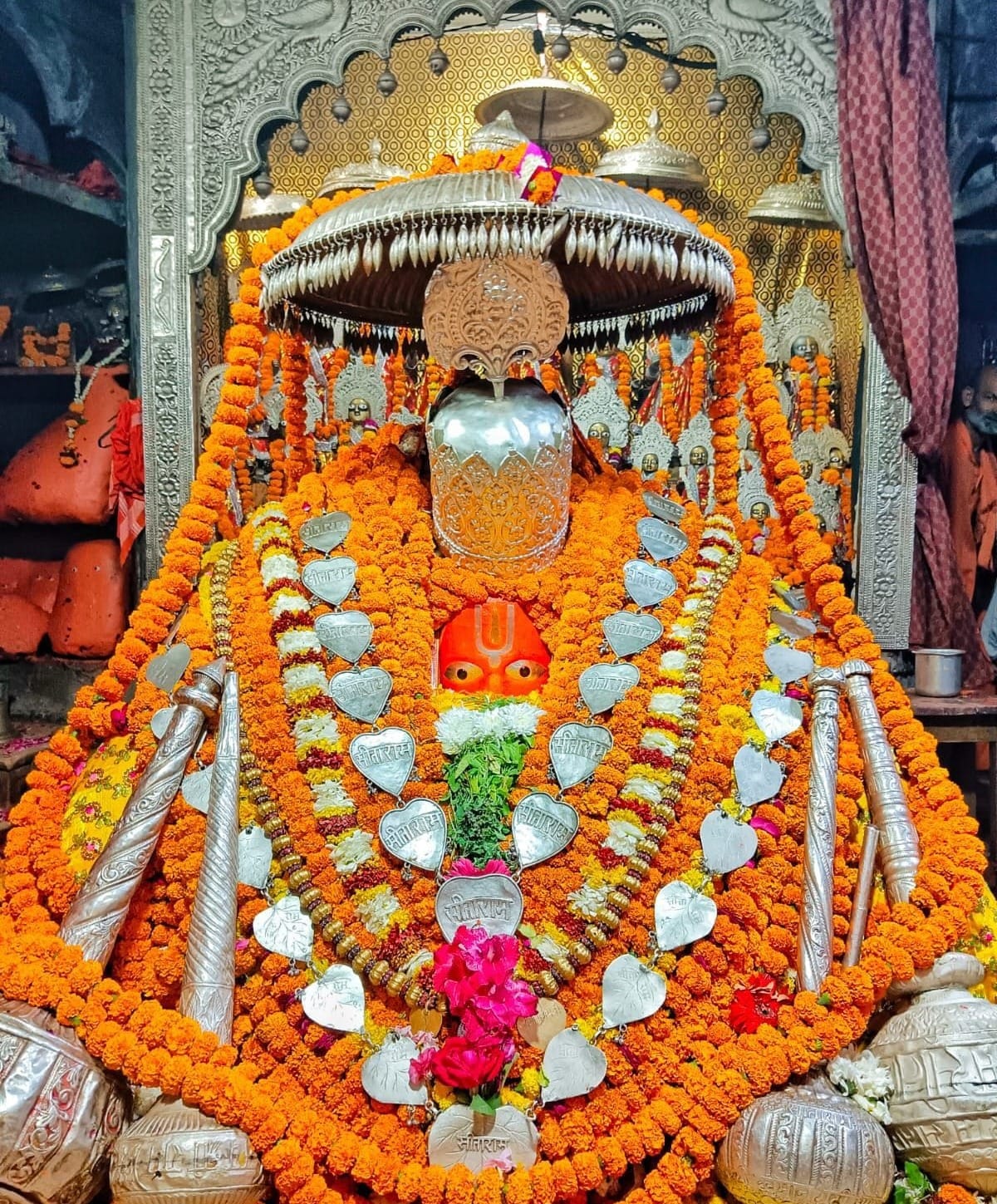
Bharat is the home of Bhaktas and Bhakti indeed. And it is a privilege to go on a pilgrimage whenever possible … it definitely beats any fancy vacation!
Dear friend, if you like the article please subscribe to my blog. If you can share this article with others, it would be great! Thank you. God bless!
Published in The Daily Guardian on 04.10.2025
https://epaper.thedailyguardian.com/view/3061/the-daily-guardian-jaipur/4

Comments ()