
Why animal skin is used in temples
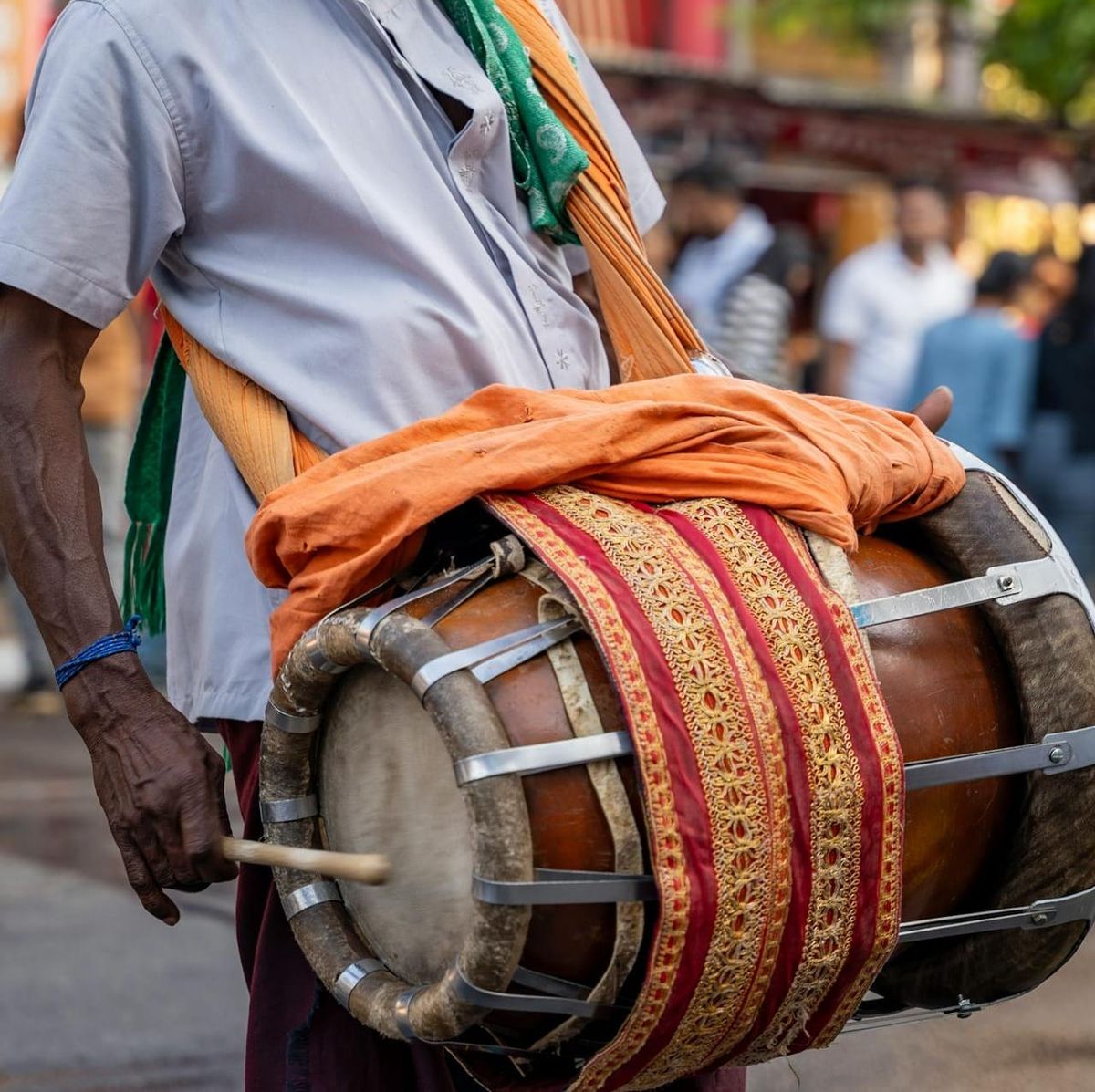
We recently visited a Mandir where we were asked to leave our belts, wallets and leather handbags outside. A young boy creating magical beats on a Dholki caught my attention. It struck me that both sides of the Dholki were covered with animal leather. Why then were my leather things lying outside? Why the paradox? After the Kirtan, I asked the boy why the leather-covered Dholki was allowed in the Mandir. He said that since ancient times, Dholkis have been made from the hollowed-out trunk of Shesham trees; their ends covered with animal skin. The smaller side is covered with goat skin, and the larger with buffalo skin. Ohh! Something technical? Yes! Goatskin, it seems, creates a high-pitched sound, and buffalo skin creates a dull thudding sound. When both are in balance, the bass and treble effect is perfect. And when the rhythms are in sync, music is created!
By now, I was totally taken in. And why is there a black patch in the centre of the larger side of the Dholki? A paste made of tar and clay is applied to lower the pitch. Wow! So, what’s the difference between the Dholki’s leather and my handbag’s? Well! Since time immemorial, Dholkis have been made of leather sourced from animals that died natural deaths. They were NOT killed for their meat.
All who are born will die one day. That’s the law of nature. When these animals die, their skin may be retrieved to make Dholkis and Tablas. It struck me that the animal’s skin had been put to such good use after the animal had died, wholly and solely in the service of God! If the soul of the dead animal could see what its skin had been used for, how happy it would be.
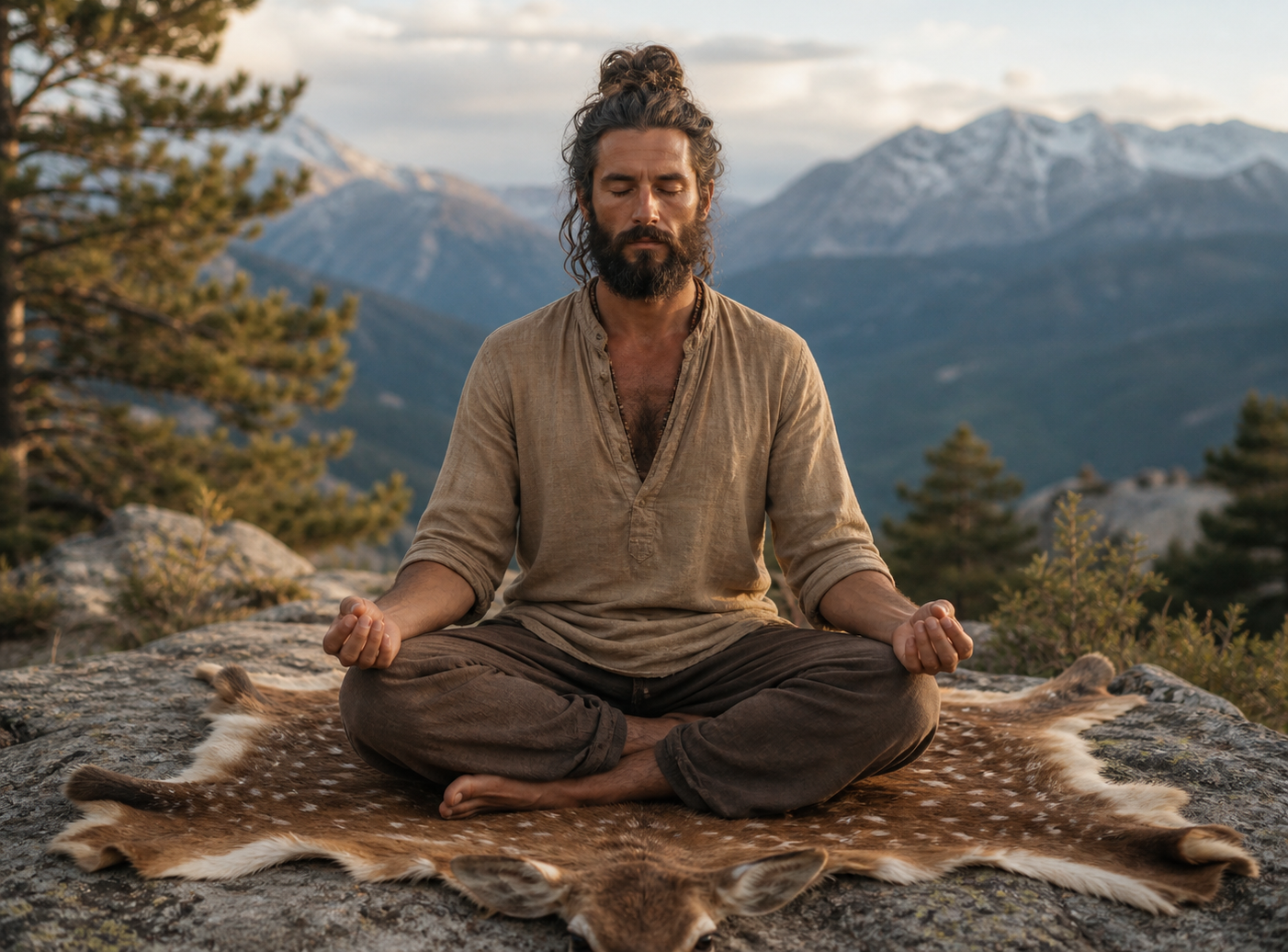
I often wondered why sitting on a deer skin was prescribed for meditating. I got the answer for that, too. The skin of a deer that died a natural death (was not killed) is considered pure. Sitting on it symbolises gaining control over animal instincts.
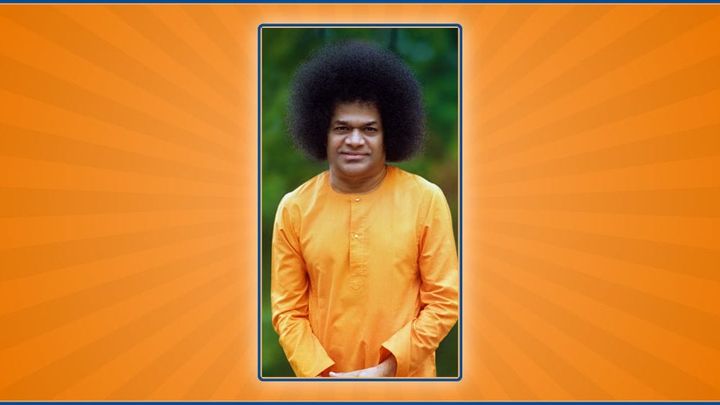
I am reminded of an incident cited in the life story of Sri Sathya Sai Baba. An Englishman hunting in the jungles of Andhra Pradesh shot down a tigress. For no apparent reason, his jeep stopped just outside Puttaparthi village and refused to start. His driver, being a local, told the Englishman about a fourteen-year-old boy called Sathya Sai, who lived nearby and performed miracles. Perhaps he could restart their jeep. The Englishman was amused, but there seemed to be no way forward anyway. They came to ask Baba for help. Baba questioned them about the tigress’s carcass in his jeep’s boot! He said the tigress’s three small cubs were crying. The hunter was shocked. Baba’s counselling made him repent for his misdeed.
He asked Baba what he could do to make amends. Baba told him to bring the cubs from the jungle and give them to a zoo where they could be looked after. Baba gave Vibhuti to sprinkle on the jeep … and miraculously, it started!
The hunter duly deposited the orphaned tiger cubs in a zoo at Bangalore. He got the tiger-skin taxidermied for preservation. He offered it to Baba, requesting him to use it as a foot mat. It lies in the inner Mandir in Prashanthi Nilayam, Puttaparthi, under a chair where Baba would sit.
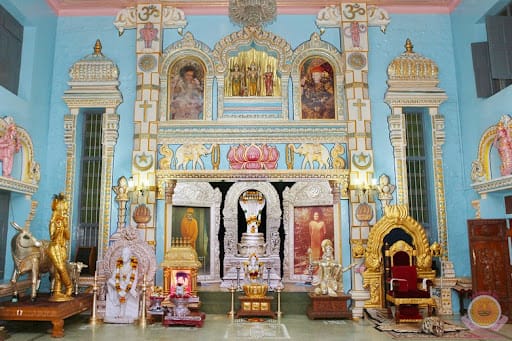
Baba would often rest his feet on the head of the tiger skin, as if to bless it eternally!
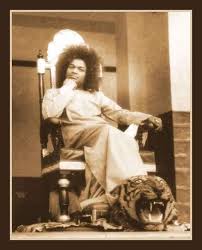
In the company of God, even animal skins become pure! Yes, company matters!
Dear Friend, if you like the article, please share it with others. Please subscribe to my blog if you haven't already. It would be a great encouragement for me, and the subscription is free. Thank you 😊
This piece has been published in The Indian Express on 04.05.2026 https://indianexpress.com/article/cities/chandigarh/why-animal-skin-is-used-in-temples-a-spiritual-lesson-on-purity-and-purpose-10668483/
Comments ()