
Iconic Kadu Malleshwara
The culture and traditions of Bharat are preserved beautifully in the South, whereas in the North, the influence of other civilisations like the Mughals and the British has been mixed into our intrinsic traditions and culture.
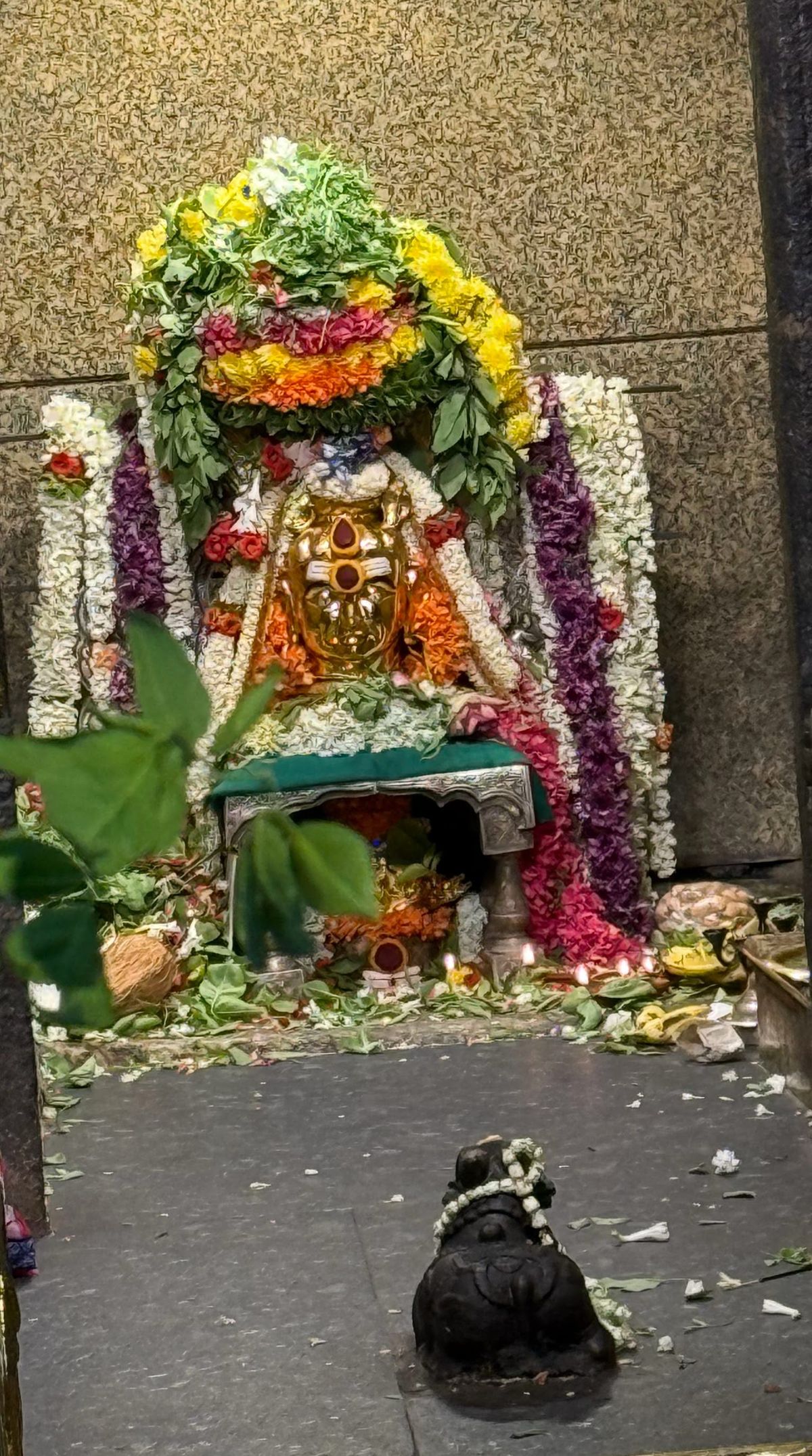
It is said that you can visit a Tirth-sthaan only if God calls you. While on a visit to Bangalore, we visited the Kadu Malleshwara Temple. Kadu means jungle, and Malleswara means Ishwar. This temple was earlier in the middle of a jungle. Hence, this locality is called Malleswaram. There are many beautiful temples here.
The Kadu Malleswaram temple was built about 450 years ago at a height of 50 steps in the Dravidian style of architecture. The Shivalingam there is entirely covered with gold and is in the form of the Mallika-Arjun Shivalingam. There were priests conducting prayers. People sat on the sides with their eyes closed, meditating. We had a beautiful darshan of Kadu Malleswaram. A little further behind was a small temple of Maa Parvati, worshipped as Maa Brahmaramba or Bhramari Devi. It brought back memories of our visit to the beautiful ancient temple of Mallikarjuna in Srisailam. (If you would like to read about that experience, click here https://www.sunrays.me/mallikarjuna-magic-the-2nd-jyotirlinga/)
Another part of the temple complex is the Dakshina Mukh Nandishwara Tirtha. There was a beautiful Shivlingam there too. A few feet below the Shivalingam was a water tank with live turtles and fish. And a few feet above that was a beautiful Vigraha of Nandi. What intrigued me was that water flowed continuously from Nandi’s mouth and fell onto the Shivalingam.
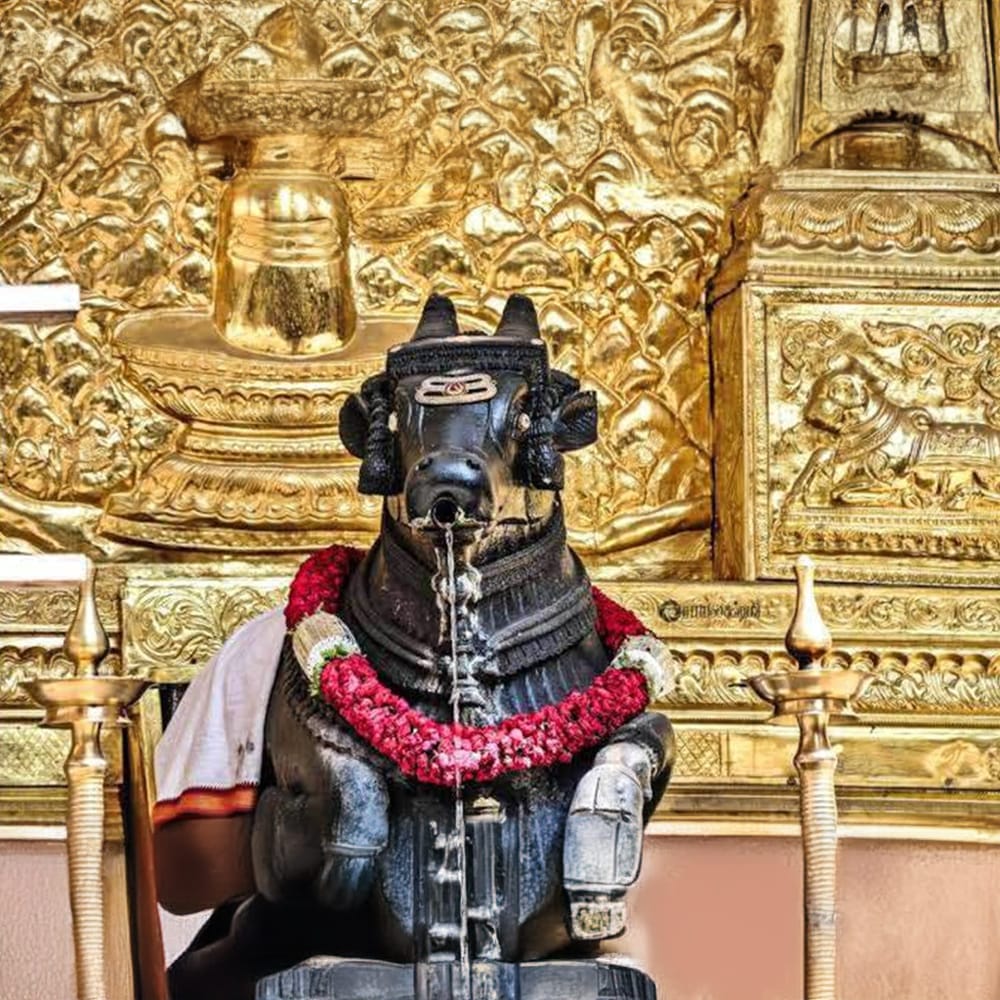
The temple is 450 years old but was discovered recently, in 1997. It seems the head of Nandi was the only thing visible above ground on a patch of land that lay unused for years. A realtor wanted to buy it, but because of the head of Nandi being visible there, the residents of the locality insisted that the government excavate the land. It was during excavation that they found the whole statue of Nandi. As they dug further, they found the Shiva lingam and the water tank too. Everything was intact, not damaged, as if time had preserved it for future generations to see. During the digging, they cleared the dirt and mud from the mouth of Nandi, and to the surprise of all, water started trickling out of Nandi's mouth. There is probably an underground spring or a water vein. It is built such that its outlet has been diverted into the mouth of Nandi. The water flows endlessly. It has medicinal value and is consumed with reverence as a holy teertham. The Temple is South-facing, which is why it is called Dakshina Mukh Nandishwar Mandir. It is completely Vastu compliant. Nandi is the main attraction here; hence the temple is named after Nandi.
The culture and traditions of Bharat are preserved beautifully in the South, whereas in the North, the influence of other civilisations like the Mughals and the British has been mixed into our intrinsic traditions and culture. But come to think of it, the South has been able to preserve its temples and culture because the North bore the brunt of the aggressions by the Muslims as well as the British.
Shiva is Adi Yogi. Parvati is Adi Shakti. They are the progenitors of the universe. They are worshipped in the Shivalingam, wherein Shiva is the column part that stands erect and represents the eternal supreme consciousness that has no beginning and no end. The base on which it rests is Maa Parvati, the primordial energy of the universe.
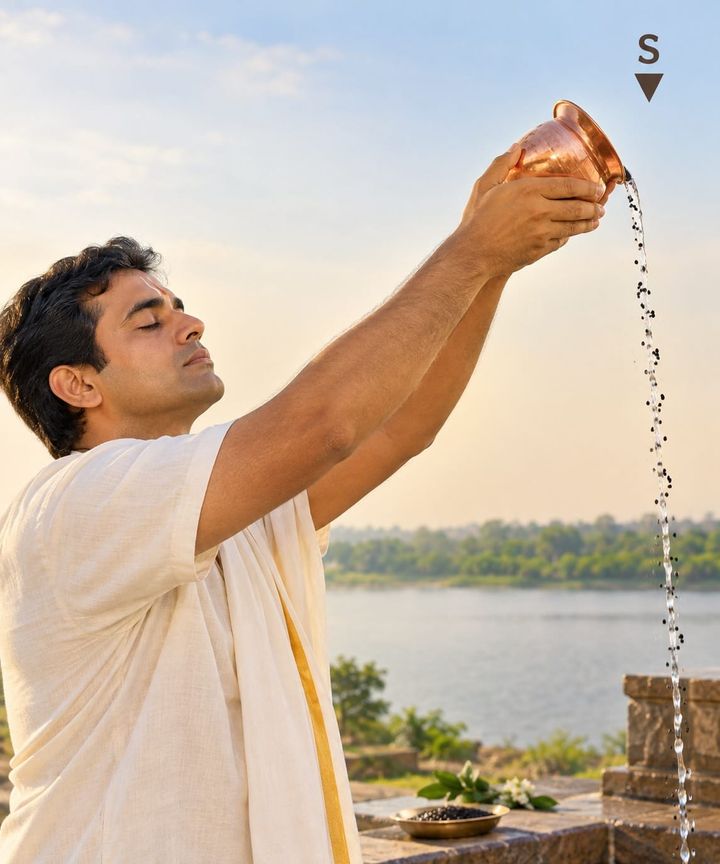
Shivalingams, whether they are Swayambhu (self-emerged) or man-made, are centres of radioactive energy. Water is poured over them to keep the radioactive energy calm. At the same time, the water poured over the lingam, which is charged, is used to sprinkle over the heads of devotees as a blessing of Shiva-Shakti.
I asked my granddaughter what she liked best about Shiva. She said, “I like that he has children. And that he sits on a big mountain and has a Trishul!” Children’s hearts are pure, and what they say is always insightful. I realised that she likes that Shiva has a family and also that he is big and strong. That’s how all babies picture their fathers to be …
The symbolism in Shiva’s family is iconic. It never fails to enthral me. Shiva is Adi Dev, Adi Purush or Adi Yogi. The Trinetra (third eye) that stands vertically on his forehead is symbolic of the potent fire of destruction, kept in control by wisdom. His body is bare except for a lion skin that he ties around his waist. He wears a Mund-mala – skulls strung together, around his neck. He gave refuge to Ganga in the knot of His matted hair. The Crescent Moon on his forehead is a symbol of complete control over the mind. His three-pronged weapon, the Trishul, represents balance between the three fundamental forces of creation, preservation and destruction. The Damaru he holds is symbolic of creation with rhythm and balance. Shiva rides Nandi, the sacred bull that represents strength, devotion and steadfastness. The Vasuki snake wrapped around Shiva’s neck tells of spiritual strength and complete control over fear. Shiva lives under the open sky. He requires no shelter from the elements. Kailash Parvat is at a high altitude. But Shiva needs no warm clothing. He keeps his body smeared with ash!
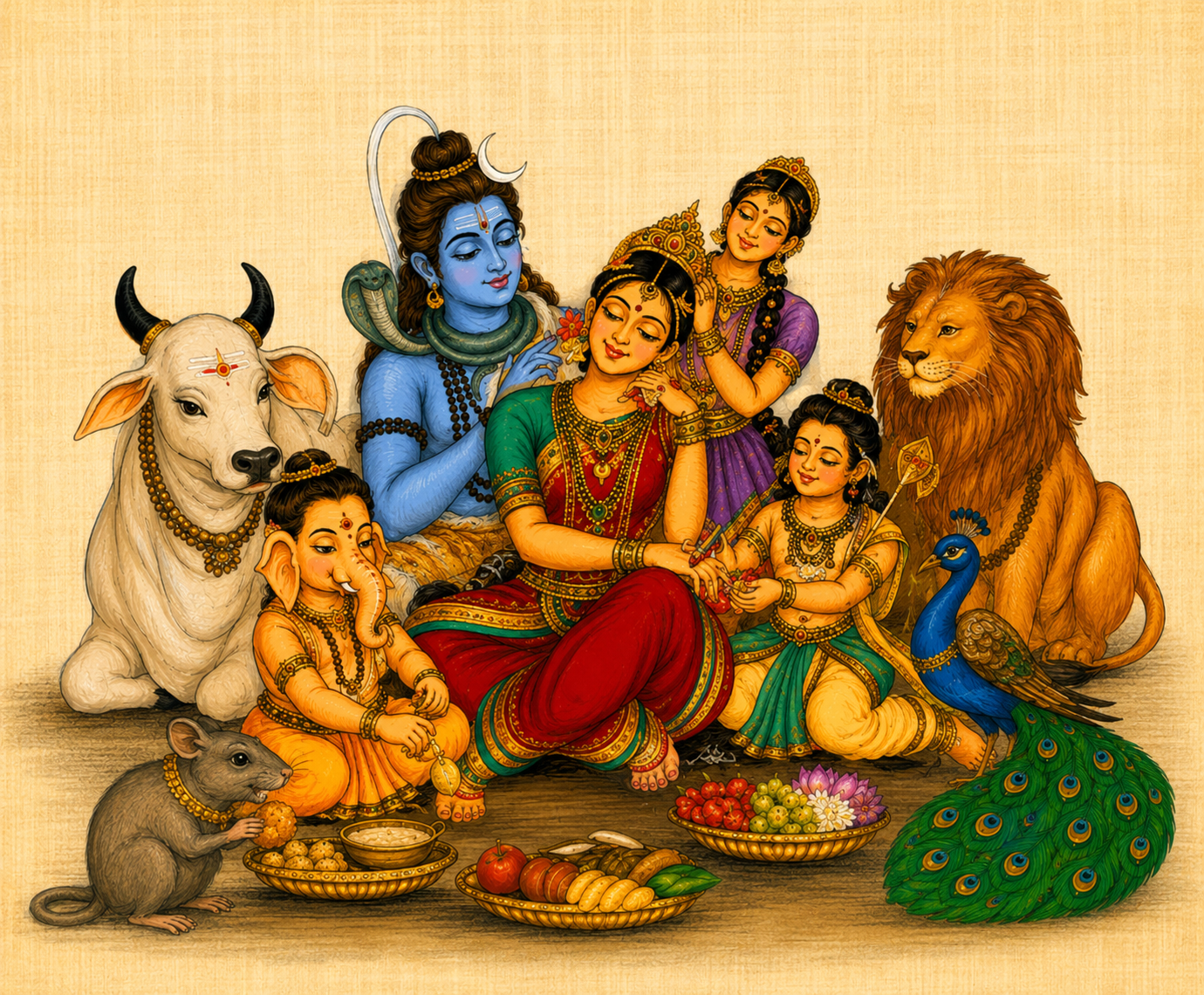
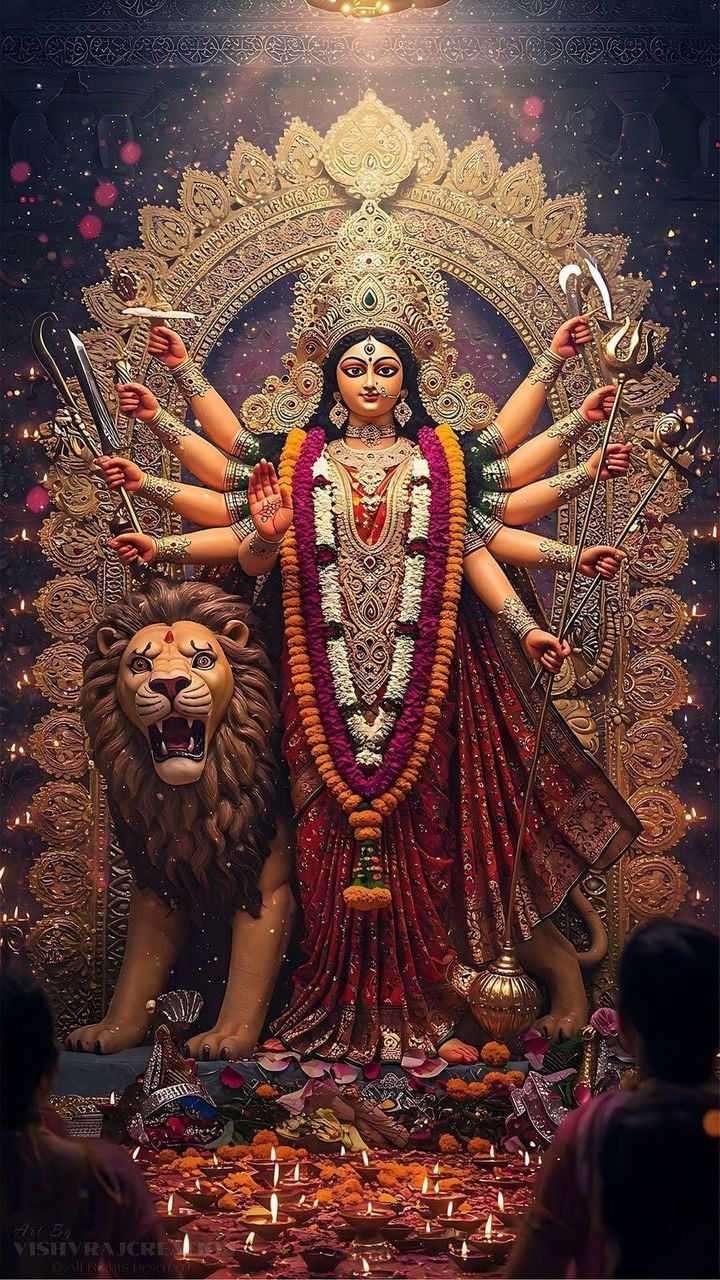
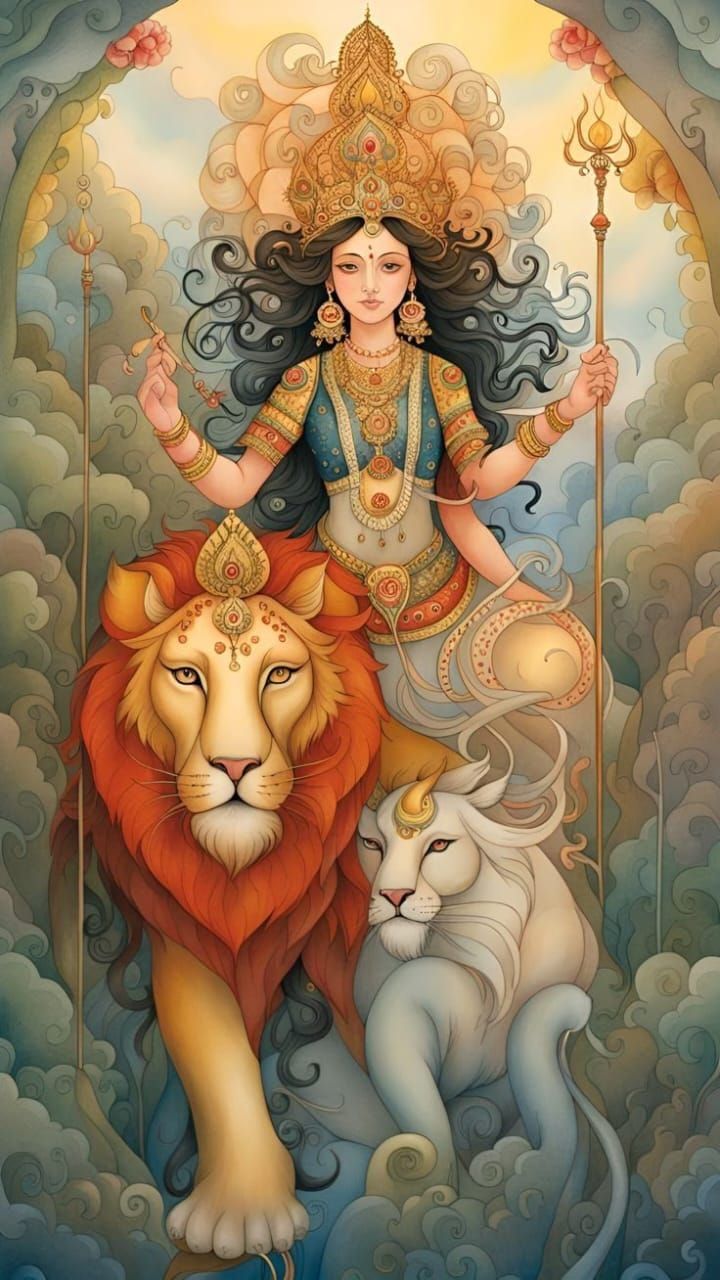
Parvati is Adi Shakti. She was born as a princess, the daughter of King Himavan (the king of the Himalayas) and Queen Mena. She dresses in the finest of clothes and wears beautiful jewels, yet rides a lion. Shiva and Parvati, despite being complete opposites, make the best couple. Together, they are called Ardhanarishvara. The form of Ardhanarishvara is one in which Shiva and Parvati are equal halves of a single body. They embody conjugal bliss.
Strangely, their children, Kartikeya, Ganesha and Ashok Sundari, were born under unusual circumstances and have their own personas.
While Parvati sat in meditation, Kartikeya was born of Shiva’s divine, fiery seed that was carried and dropped into the river Ganges by Agni, the fire God and Vayu, the wind God, who were entrusted with it. The seed floated into the Saravana Lake where six babies were found floating on six lotuses. They were nurtured by the six Krittika (Pleiades) sisters. Goddess Parvati later merged the six babies into a single child with six faces, naming him Kartikeya! Kartikeya is petite and dark-skinned, and rides a peacock, yet he is Shiva’s Senapati.
Ganesha has an elephant head and is short and fat. He is the destroyer of obstacles. He feeds on sweets like Modak and Laddoos, yet he rides a little mouse. Ganesha was created by Maa Parvati out of the ubtan (turmeric paste) she scraped off her body before. She shaped the ubtan into a child and breathed life into it to create a loyal protector for herself.
Ashok Sundari was born of a wish-fulfilling tree. Shiva is in a meditative state at all times. After Kartikeya grew up and left home to live in the Southern part of India, Parvati was lonely. She sat under a wish-fulfilling tree and wished for a daughter to abate her loneliness and sorrow. A daughter was born and named A-shok (destroyer of sadness) Sundari (beautiful girl).
Despite so many differences and complexities, Shiva’s family is a perfect family. The lion would normally devour any animal near it. The peacock is the arch enemy of snakes. The mouse too is devoured by snakes. But in Shiva’s divine presence, they live in harmony as one, united family. So much to learn …
Published in The Daily Guardian 06. 06. 2026 https://epaper.thedailyguardian.com/2026/06/05/e-paper-today-delhi-06-june-2026/
[Dear Friend, if you like the article, please share it with others. Please subscribe to my blog if you haven't already. It would be a great encouragement for me, and the subscription is free. Thank you 😊]
Comments ()